
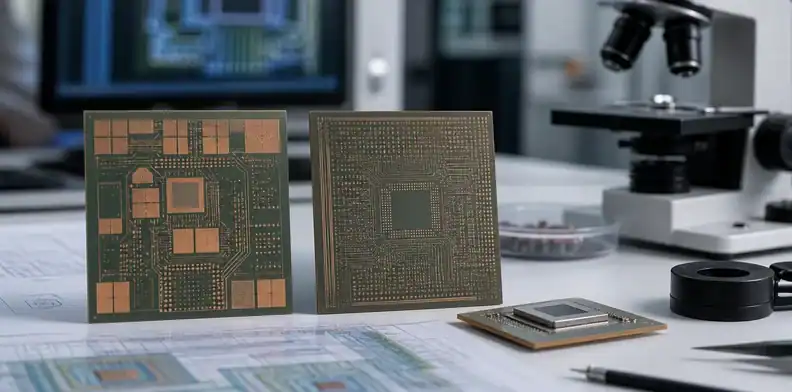
Quick Answer: BT and ABF are not interchangeable package-substrate materials. BT is often reviewed for memory, CSP, RF, and mid-density package substrates, while ABF build-up film is used for high-performance processors, GPUs, AI accelerators, and other packages that need very fine build-up routing and high I/O fanout.
Written by the QueenEMS Engineering Team
Key takeaways
- ABF is usually the high-end build-up route for dense CPU/GPU-style packages; BT remains strong in memory, CSP, RF, and cost-sensitive package substrates.
- ABF is glass-fiber-free film, while many BT substrate constructions are glass reinforced; that structural split affects laser and fine-line behavior.
- BT and ABF can coexist in package supply chains rather than competing as a simple winner-takes-all choice.
- Supply risk should be reviewed separately from material capability, especially for AI-driven substrate demand.
Table of Contents
- BT vs ABF: which substrate should you choose?
- What is the core structural difference?
- BT vs ABF side by side
- Which packages use BT, and which use ABF?
- Why does high-end CPU and GPU packaging use ABF?
- Where does BT still win?
- How do BT and ABF cost and supply compare?
- Bottom line: matching substrate to your package
BT vs ABF: which substrate should you choose?
Choose BT for package substrates where cost, mature supply, moisture behavior, and mid-density routing are enough. Choose ABF when the package requires very fine build-up layers, high I/O fanout, and processor-class routing density.
The simplest decision question is package class. Memory, CSP, RF module, and some substrate-like PCB projects may fit BT. Large flip-chip CPU, GPU, chipset, and AI accelerator packages usually move into ABF or ABF-linked substrate technology.
For an ABF comparison, the branch is set by package I/O, routing density, build-up structure, and qualification path. BT can be the right organic substrate for many BGA, CSP, memory, and module jobs, but it should not be stretched into high-I/O ABF territory by wording alone. The release package has to connect the substrate family to routing geometry and package risk.
The safe comparison keeps routing demand and material family in the same decision record. Engineering can approve BT where the I/O density fits; ABF should stay on the table when escape routing and build-up geometry exceed a BT-style route.
Package call: Let I/O density and routing geometry decide whether BT remains credible or ABF must be evaluated.
A useful early package review asks for die size, ball map, pitch, layer target, expected line/space, via structure, and who owns package qualification. Those inputs quickly show whether the request belongs near PCB/substrate fabrication or inside a semiconductor packaging flow. Without them, BT and ABF become search terms rather than usable manufacturing choices. For adjacent questions on specifications, package use cases, cost, and supplier review, the BT PCB knowledge hub gives the broader context.
What is the core structural difference?
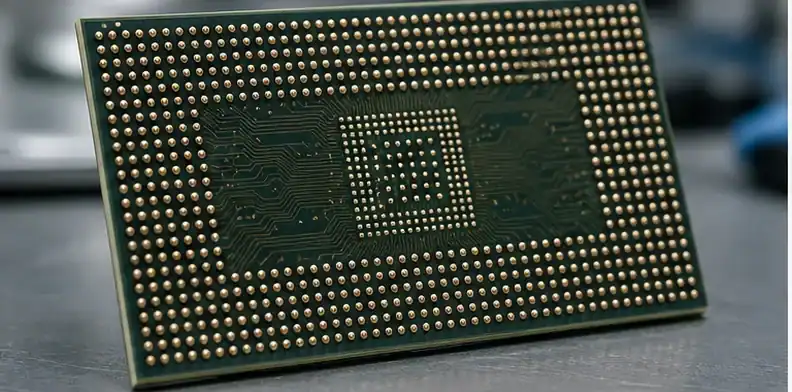
BT substrate materials are commonly glass-reinforced organic laminates based on BT resin systems. ABF is Ajinomoto Build-up Film, an insulating film used in build-up substrates for high-performance semiconductors. Ajinomoto describes ABF as receptive to laser processing and direct copper plating, which supports micrometer-scale circuit formation.
This structure changes manufacturing behavior. Glass reinforcement can help stability but can constrain the finest via and line formation. Build-up film enables very fine routing but enters a more specialized substrate ecosystem.
ABF-versus-BT evidence should start with geometry and package qualification. The supplier should state line rules, build-up assumptions, via structure, and whether the package requirement sits inside a BT-capable window.
For BT-versus-ABF work, evidence starts with package geometry. The useful supplier response names I/O count, package pitch, line rules, build-up assumptions, via structure, and the qualification boundary. Material names come after those routing facts because ABF is usually selected when density and package architecture demand it.
A price-only answer is weak for advanced packaging because routing density can change the material branch. Ask for geometry exceptions before accepting the substrate family.
Routing proof: The supplier must connect substrate choice to I/O, line rules, via structure, and package qualification.
BT vs ABF side by side
| Decision field | BT substrate | ABF substrate |
|---|---|---|
| Common domain | Memory, CSP, RF, mid-density packages | CPU, GPU, chipset, AI/HPC packages |
| Structure | BT resin laminate, often glass reinforced | Build-up insulating film |
| Routing density | Good for many package substrates | Stronger for very fine build-up routing |
| Cost position | Usually lower than advanced ABF packages | Higher and more capacity constrained |
| Supply question | Resin, glass cloth, and substrate capability | ABF film and high-end substrate capacity |
Buyer call: Compare by package class and routing density before asking which one is better.
For package substrates, headline material values tell only part of the story. Routing density, build-up layer design, microvia structure, and qualification history can matter more than a single Dk or Tg value copied into a comparison table.
The practical threshold often appears in escape routing. A memory or CSP-style package may have enough room for BT-based organic substrate routing, while a large processor package needs many more connections to leave the die area through very fine build-up layers. Once the routing plan depends on ABF-class film behavior, laser processing, and substrate suppliers qualified for that package tier, the discussion is no longer a simple material swap. The buyer should treat it as a package architecture decision.
For BT and ABF, the useful screen is geometry rather than a material scorecard. BT stays credible while the escape routing and substrate rules remain in a mid-density organic window. ABF enters the conversation when build-up layers, via scale, and fanout demand a processor-class package route.
A parameter question is weaker than a routing question here. Ask whether the design can escape on a BT route, which line and via limits are being assumed, and where ABF-class build-up capability becomes necessary. Only then do dielectric and CTE values have the right context.
Package rule: Choose BT or ABF from routing demand and qualification needs before negotiating price.
Which packages use BT, and which use ABF?
BT is commonly discussed for memory packages, CSP, RF modules, chip LED substrates, and substrate-like products. ABF is tied to high-performance computing packages where a large chip must fan out many connections through build-up layers.
The QueenEMS page on BT in memory chip packaging covers the memory side. For PCB-level dense routing that is not an IC package substrate, review fine-line HDI capabilities before assuming ABF is required.
In package substrate work, a supplier may see the same outline and quote BT while another supplier flags ABF-style build-up needs. That disagreement is a useful signal: it means the I/O and routing assumptions need review before price comparison.
For ABF-sensitive work, record the maximum line rules, via structure, and package constraint that drove the material choice. A supplier exception then becomes an engineering signal instead of a price dispute.
Decision signal: A credible supplier will challenge the substrate family when the routing density points outside BT capability.
Why does high-end CPU and GPU packaging use ABF?
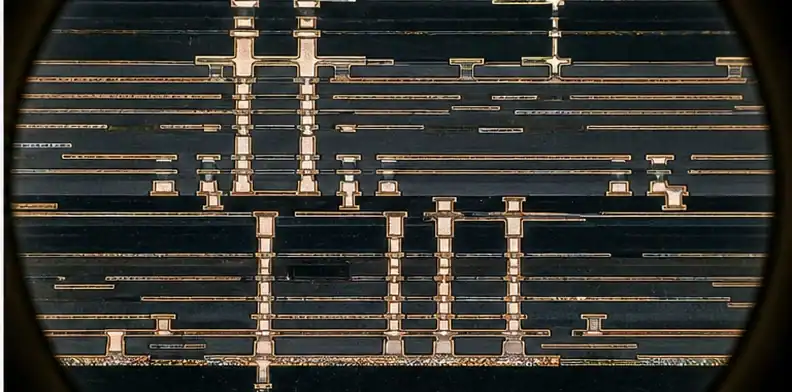
High-end processors need routing density and I/O fanout that ordinary PCB materials cannot handle. ABF build-up technology supports the fine microcircuit layers used to connect nanometer-scale chips to board-level systems.
ABF does not make BT obsolete. It serves a different density tier. A buyer preparing an RFQ should identify die size, I/O count, layer target, line/space, microvia route, and package supplier boundary before selecting the material family.
The comparison also changes with ownership. Many buyers can source BT-like substrate work through PCB or module partners, but ABF package substrates often sit closer to semiconductor packaging supply chains and customer qualification programs. That does not make ABF better for every project; it means the purchasing route, engineering authority, and supplier evidence are different. A small module or memory-related build can waste time if it is pushed into an ABF discussion that its density never required.
ABF pricing can sit in a very different category from BT because the build-up route, line density, and capacity base are different. A low BT quote is not a bargain if the package actually needs ABF-class geometry.
The cost question is really a package-routing question. BT may keep a mid-density package inside a mature organic route, while ABF can move the job into a specialized build-up substrate supply chain. The cheaper option is unsafe when it cannot fan out the die or meet the package qualification path.
Price rule: ABF and BT prices are comparable only after package routing demand is settled.
Where does BT still win?
BT still wins where its performance is enough and its cost, maturity, and package heritage are attractive. Memory packages, compact RF modules, CSP-style products, and certain substrate-like boards do not automatically need ABF.
BT can also be easier for some small-batch buyer conversations because the required decision record is closer to organic substrate fabrication than to advanced processor package qualification. That said, supplier evidence still matters.
BT also remains useful when the package roadmap values maturity over maximum density. A proven BT route can reduce qualification effort for memory, RF, and compact module work where the routing map is already inside supplier capability. In those cases, forcing ABF into the discussion may add sourcing pressure without improving the product.
The approval boundary should follow package risk. Engineering owns I/O density and substrate-family approval, purchasing owns commercial comparison, and the supplier must flag when the route moves between BT and ABF assumptions.
The risk in advanced packaging is that a substrate family can be chosen before routing density has been proven. When the design approaches ABF-style constraints, the supplier should flag that shift and engineering should decide whether the package assumption has changed.
Ownership changes with the substrate family. BT decisions may stay closer to PCB/module sourcing, while ABF decisions often involve package substrate and OSAT qualification. Engineering should decide the architecture, purchasing should compare qualified channels, and the supplier should mark any boundary that excludes package assembly work.
Approval rule: Moving a package design between BT and ABF assumptions is a substrate-family change, not a purchasing shortcut.
How do BT and ABF cost and supply compare?
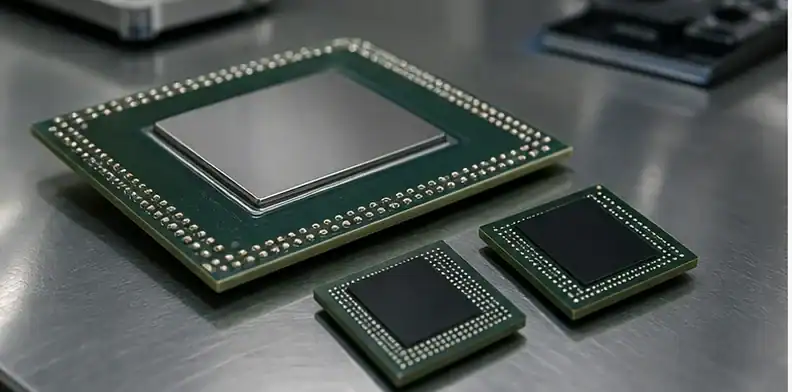
ABF supply has been tightly linked to AI, CPU, GPU, and advanced packaging demand. BT supply has its own raw-material and glass-cloth dependencies. As of 2026, buyers should treat both as supply-chain-sensitive materials and avoid relying on one unsupported lead-time statement.
For broader sourcing context, see the 2026 substrate supply picture and QueenEMS coverage of high-end AI accelerator material choices.
A risky ABF comparison starts when package type and routing density are still blank. The supplier may quote a familiar BT route because it can price it quickly, while the package actually needs finer build-up capability. Require a geometry exception list before treating either material family as selected.
Before award, ask each supplier to mark routing, via, and substrate-family exceptions. Those exceptions often reveal whether BT is sufficient or ABF capacity is required.
Risk check: Pause the award when routing exceptions suggest the package belongs in ABF-class review.
Bottom line: matching substrate to your package
Use BT when the package needs better organic-substrate behavior than FR-4 but does not require processor-class ABF routing. Use ABF when build-up density, fanout, and package class demand it.
Release rule: The material decision is not complete until the quote states package type, routing rules, line/space, via structure, layer count, surface finish, and qualification evidence.
A short owner note should also say whether the buyer expects PCB fabrication support, package-substrate support, or referral to a semiconductor packaging partner.
For advanced packaging RFQs, the buyer should also separate material selection from package ownership. BT and ABF describe substrate material paths, but they do not define who owns die attach, underfill, molding, ball attach, or package-level qualification. A board supplier may help with substrate-like fabrication evidence, while a semiconductor packaging supplier may be needed for package assembly. Write that boundary into the RFQ. It prevents a supplier from quoting the substrate portion while the buyer assumes the whole package is covered.
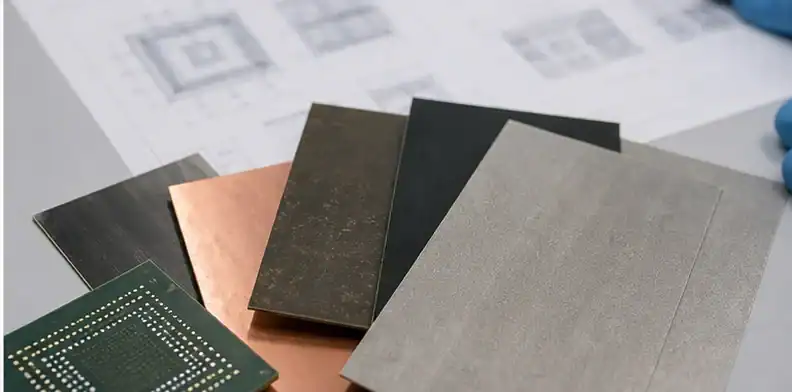
BT and ABF also differ in how the package is planned. A BT-based package often supports mature BGA, CSP, memory, controller, and compact module formats where the substrate still resembles an organic laminate flow. ABF belongs to a finer package substrate world, where build-up layers, microvias, very high I/O density, and package warpage control dominate the discussion.
That distinction changes who owns the decision. For a BT design, the product team may still compare board-level fabricators or module suppliers. For ABF, the decision normally sits much closer to the OSAT, packaging house, or semiconductor supply chain because the substrate is part of a highly integrated package qualification. Treating ABF like a simple board material line item can hide the real bottleneck: mask set, substrate vendor qualification, package design rules, and assembly process ownership.
BT keeps winning in places where the package does not need the extreme routing density that ABF provides. Memory components, smaller controllers, sensor modules, connectivity devices, and some RF front-end packages can use BT effectively because the routing challenge is demanding but not in the same class as a large AI accelerator or server CPU package.
The buyer’s first split should be I/O density, not brand reputation. Count package balls, check pitch, estimate escape layers, and identify whether the design needs substrate-level build-up technology. Once those facts are visible, cost and supply questions become more honest: BT may be sourced through a broader organic-substrate channel, while ABF availability is tied to a narrower advanced-packaging ecosystem.
FAQ
Is ABF better than BT?
ABF is better for very high-density processor packages. BT can be better for memory, CSP, RF, and cost-sensitive package substrates where ABF density is unnecessary.
Can BT replace ABF?
Only in packages whose routing, fanout, and reliability needs fit BT. It cannot replace ABF in processor-class packages that need very fine build-up routing.
Which is cheaper, BT or ABF?
BT is usually the lower-cost route, but exact pricing depends on layer count, line rules, material allocation, and supplier capability.
Does ABF shortage affect BT?
It can affect the broader substrate market through shared capacity pressure and upstream material demand, but each material has its own supply chain.
Send QueenEMS your package-substrate decision inputs
For a package-substrate branch review, share package type, outline, I/O estimate, layer target, line/space target, finish notes, qualification level, and schedule on the QueenEMS contact page. QueenEMS can help decide whether the request fits BT package-substrate support, HDI-style support, or a specialist ABF package-substrate supplier.
Sources
Upload your files today · Free DFM check before production · Ship worldwide
Get your PCB prototypes in as fast as 24 hours. We handle FR4, Rogers, and Flex up to 60 layers — free prototypes for 2–4 layer boards, no minimum order.
Just upload your Gerber + BOM — we source every part, assemble, and inspect (AOI + X‑Ray) so you don't have to chase suppliers. Boards ship in as fast as 24 hours.