
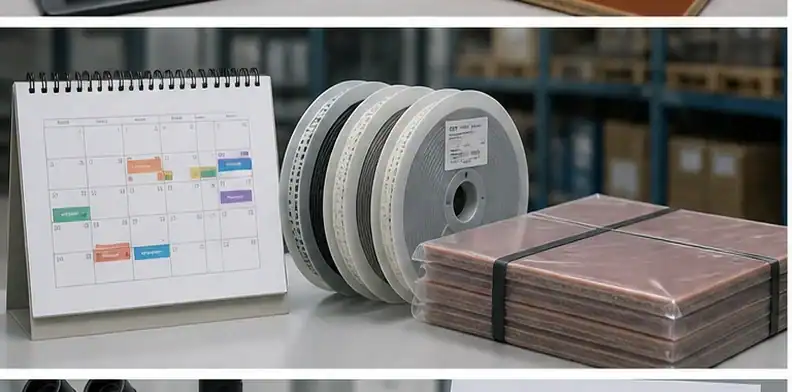
Quick Answer: BT PCB lead time is often about 3-8 weeks for standard substrate-style work when material, stack-up, and process route are available, but custom grades, fine features, qualification, or upstream shortages can extend the schedule. MOQ depends on material stock, panel use, finish, test burden, and whether the order is prototype, pilot, or repeat production.
Key takeaways
- Prototype and production BT schedules can differ even when the drawing is the same.
- Material availability, grade, glass cloth, finish, line and space, and reliability documentation drive timing.
- Upstream CCL, prepreg, and specialty glass constraints can push planning windows into months during tight markets.
- A complete RFQ shortens quote cycles more reliably than asking for rush pricing first.
BT buyers usually ask for two numbers: lead time and MOQ. The awkward truth is that both numbers come from construction and material availability. A supplier may support a small prototype from stock while production waits for a qualified grade, special finish, or upstream material. For broader 2026 supply context, see the BT supply chain outlook. The BT PCB material and sourcing guide puts this point in context with material selection, manufacturing limits, and supplier questions.
Table of Contents
- What lead time should you expect for BT PCB?
- Is there a minimum order quantity?
- What drives BT lead time up?
- How material shortages stretch delivery
- How can you shorten BT lead time?
- How to plan prototype, pilot, and production
- Realistic timelines for BT sourcing
What lead time should you expect for BT PCB?
Expect standard BT substrate lead time to be measured in weeks, with 3-8 weeks a reasonable planning band for many non-exotic cases.
The band narrows when material is in stock, the stack-up is known, and the finish and inspection package are standard. It widens when the project requires thin construction, low-CTE grade, fine line or space, or qualification documents.
| Order case | Typical planning view | What can extend it |
|---|---|---|
| Prototype | Small lot may be possible from stock or shared panels | Special grade, thin core, ENEPIG, tight inspection |
| Pilot | Schedule must match material lot and process learning | Qualification reports, warpage checks, customer review |
| Repeat production | Forecast and material reservation become central | Upstream CCL or glass cloth allocation |
| Rush request | Only realistic when material and tooling are ready | Incomplete files or new grade approval |
Ask the supplier to separate fabrication time from material wait, CAM questions, finish processing, reliability testing, and shipment. That makes schedule risk visible.
This article covers lead time and MOQ, not cost breakdown. For pricing drivers, use BT cost drivers.
Buyer call: Treat any BT lead-time number as valid only for the named grade, stack-up, and quantity.
Is there a minimum order quantity?
MOQ is not one fixed global number; it comes from material purchase, panelization, lot controls, and documentation burden.
A prototype can sometimes run below a normal production lot if stock material exists. A custom material, special thickness, or dedicated panel route may create a higher practical minimum because the supplier must reserve material and process a full lot.
Give the quantity ladder: prototype pieces, pilot lot, annual estimate, and repeat-order cadence. The supplier can then quote the first build and the expected production path separately.
A low MOQ for the first sample does not prove production availability at the same material cost.
Evidence rule: Ask for prototype MOQ and production MOQ as separate answers.
What drives BT lead time up?
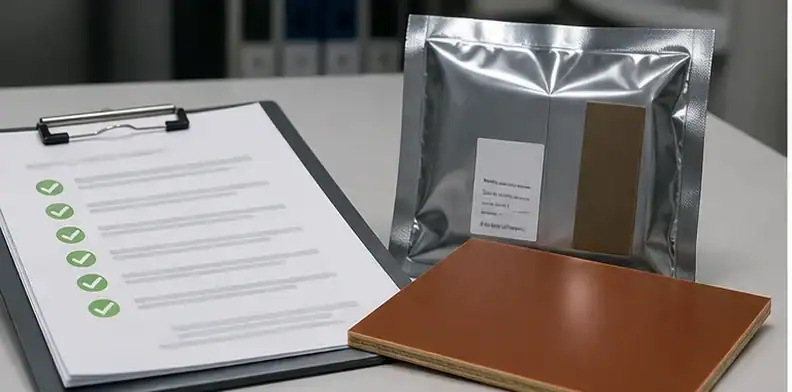
Lead time rises when the construction adds material risk, process risk, or approval risk.
Common drivers include non-stock BT grade, low-CTE glass, tight line or space, extra layers, ENEPIG finish, coreless construction, warpage measurement, reliability testing, and customer documentation.
A complete file package reduces back-and-forth. Send Gerber or ODB++, stack-up, grade, thickness, surface finish, Class requirement, quantity, and acceptance criteria. The companion what to put in a BT RFQ page gives field-level detail.
Rush fees do not solve missing material or missing engineering approval.
Engineering gate: Find the longest lead-time driver before asking whether the build can be expedited.
How material shortages stretch delivery
Material shortages stretch BT delivery when upstream laminate, CCL, prepreg, or specialty glass is constrained.
As of 2026, supply-chain reporting and buyer planning notes should treat some CCL, film, and advanced glass cloth windows as multi-month risks, including about 4-5 months in constrained cases. Those numbers must be verified against the supplier’s current material route.
Ask whether the material is in stock, reserved, imported, or pending upstream confirmation. The answer should name the grade or material family and the date of the allocation check.
A public shortage number is not a delivery promise for one PO. It is a planning signal.
Quote signal: Use 4-5 month upstream windows as a risk screen, then confirm the exact material with the supplier.
How can you shorten BT lead time?
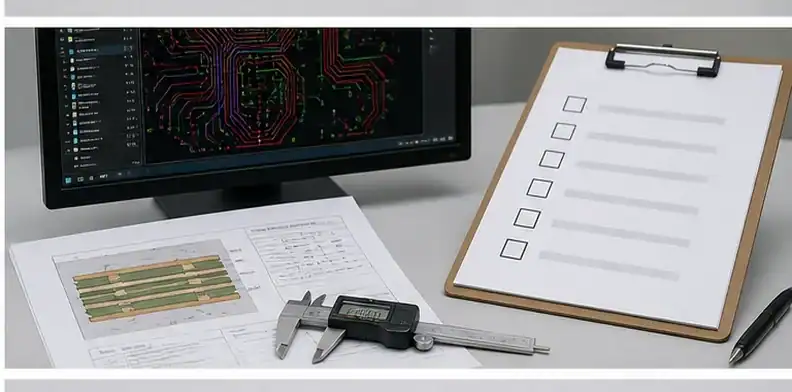
Shorten BT lead time by using available grades, complete files, controlled alternates, and staged delivery.
The fastest path is rarely the most exotic material. If engineering can approve an equivalent family, if the stack-up is stable, and if the finish and inspection plan are clear, the supplier can spend less time clarifying assumptions.
Avoid vague RFQs. A missing thickness tolerance, finish, Class level, or material rule can cost more schedule than the actual fabrication step. Staged delivery can help when prototypes are needed before the full pilot lot.
Do not relax a grade or finish unless engineering accepts the risk. Schedule pressure should not rewrite the design silently.
Release check: Improve schedule by removing ambiguity before removing technical controls.
How to plan prototype, pilot, and production
Prototype, pilot, and production orders should have different supply plans.
A prototype tests feasibility and assembly. A pilot validates process repeatability and documentation. Production needs forecast, lot traceability, and material continuity. BT projects fail when all three stages are quoted as if they were the same purchase.
For the first quote, include expected next-stage quantities. That lets QueenEMS warn if the prototype can run from stock but production will need reserved material or a different timing window.
Small-batch buyers should not assume a prototype lead time is a production lead time.
Document rule: Plan the next BT order before approving the first one when material continuity matters.
Realistic timelines for BT sourcing
A realistic BT sourcing timeline includes file review, material confirmation, fabrication, inspection, documentation, and shipment.
The buyer-facing plan should show where the schedule can change: CAM questions, material allocation, special finish, measurement, reliability testing, and customs or delivery country. Each item can move the real date.
Send delivery country, Incoterms preference, target ship date, quantity ladder, and acceptance documents with the RFQ. This allows quote validity and logistics to be discussed before the PO.
A one-number lead time is useful only after the hidden stages have been named.
Design call: Release BT schedules with a material date, manufacturing window, inspection scope, and shipment assumption.
For lead-time planning, separate the date needed for samples from the date needed for a stable material route. A prototype can answer buildability, while a pilot order should prove that the same BT grade, surface finish, documentation package, and inspection scope can repeat without restarting sourcing.
Lead-time field note: ask the supplier to separate material wait from fabrication time. A BT order may have normal processing time but still slip because the grade, prepreg, thin core, glass cloth, or finish is not available. The quote should state whether material is on hand, reserved, pending purchase, or dependent on an upstream confirmation date. That answer matters more than a broad claim that the factory can build BT.
MOQ field note: minimum quantity can be driven by panel use, material purchase, special finish, inspection burden, or documentation. A prototype MOQ may be low when stock material exists. A production MOQ may be higher if the supplier must reserve a material lot or run a controlled process. Ask for prototype, pilot, and repeat-order quantities as separate lines. This prevents a small sample quote from being mistaken for a stable production plan.
Schedule reduction should focus on the real bottleneck. If material is available but CAM questions are open, complete the files. If files are clear but the grade is constrained, approve a reviewed alternate or adjust the schedule. If ENEPIG, low-CTE BT, coreless construction, or warpage reporting is the driver, rushing the order will not remove that technical requirement. QueenEMS can help identify which item is actually controlling the date.
Project-specific checks
| Buyer check | schedule and MOQ plan evidence | Use before quote release |
|---|---|---|
| prototype lot | pilot schedule | Confirms the schedule and MOQ plan basis before supplier comparison |
| repeat forecast | material stock | Shows which schedule and MOQ plan assumption needs engineering sign-off |
| CCL window | prepreg supply | Prevents a quiet schedule and MOQ plan substitution during pilot planning |
- Verify the prototype lot against the material stock; that prototype lot pairing protects the schedule and MOQ plan quote accuracy. If ENEPIG queue shifts, supplier wording changes; preserve shipping country in the schedule and MOQ plan so the prototype lot reviewer sees why material stock stayed controlled.
- Map the pilot schedule against the CCL window; that pilot schedule pairing protects the schedule and MOQ plan assembly release. If inspection scope shifts, supplier wording changes; preserve quote validity in the schedule and MOQ plan so the pilot schedule reviewer sees why CCL window stayed controlled.
- Record the repeat forecast against the prepreg supply; that repeat forecast pairing protects the schedule and MOQ plan customer approval. If quantity ladder shifts, supplier wording changes; preserve allocation date in the schedule and MOQ plan so the repeat forecast reviewer sees why prepreg supply stayed controlled.
- Compare the material stock against the ENEPIG queue; that material stock pairing protects the schedule and MOQ plan supplier comparison. If shipping country shifts, supplier wording changes; preserve rush request in the schedule and MOQ plan so the material stock reviewer sees why ENEPIG queue stayed controlled.
- Separate the CCL window against the inspection scope; that CCL window pairing protects the schedule and MOQ plan pilot planning. If quote validity shifts, supplier wording changes; preserve material reserve in the schedule and MOQ plan so the CCL window reviewer sees why inspection scope stayed controlled.
- Confirm the prepreg supply against the quantity ladder; that prepreg supply pairing protects the schedule and MOQ plan shipment acceptance. If allocation date shifts, supplier wording changes; preserve MOQ split in the schedule and MOQ plan so the prepreg supply reviewer sees why quantity ladder stayed controlled.
- Flag the ENEPIG queue against the shipping country; that ENEPIG queue pairing protects the schedule and MOQ plan repeat-order control. If rush request shifts, supplier wording changes; preserve forecast update in the schedule and MOQ plan so the ENEPIG queue reviewer sees why shipping country stayed controlled.
- Freeze the inspection scope against the quote validity; that inspection scope pairing protects the schedule and MOQ plan material continuity. If material reserve shifts, supplier wording changes; preserve prototype lot in the schedule and MOQ plan so the inspection scope reviewer sees why quote validity stayed controlled.
- Trace the quantity ladder against the allocation date; that quantity ladder pairing protects the schedule and MOQ plan quote accuracy. If MOQ split shifts, supplier wording changes; preserve pilot schedule in the schedule and MOQ plan so the quantity ladder reviewer sees why allocation date stayed controlled.
- Review the shipping country against the rush request; that shipping country pairing protects the schedule and MOQ plan assembly release. If forecast update shifts, supplier wording changes; preserve repeat forecast in the schedule and MOQ plan so the shipping country reviewer sees why rush request stayed controlled.
- Name the quote validity against the material reserve; that quote validity pairing protects the schedule and MOQ plan customer approval. If prototype lot shifts, supplier wording changes; preserve material stock in the schedule and MOQ plan so the quote validity reviewer sees why material reserve stayed controlled.
- Align the allocation date against the MOQ split; that allocation date pairing protects the schedule and MOQ plan supplier comparison. If pilot schedule shifts, supplier wording changes; preserve CCL window in the schedule and MOQ plan so the allocation date reviewer sees why MOQ split stayed controlled.
- Screen the rush request against the forecast update; that rush request pairing protects the schedule and MOQ plan pilot planning. If repeat forecast shifts, supplier wording changes; preserve prepreg supply in the schedule and MOQ plan so the rush request reviewer sees why forecast update stayed controlled.
- Tie the material reserve against the prototype lot; that material reserve pairing protects the schedule and MOQ plan shipment acceptance. If material stock shifts, supplier wording changes; preserve ENEPIG queue in the schedule and MOQ plan so the material reserve reviewer sees why prototype lot stayed controlled.
- Verify the MOQ split against the pilot schedule; that MOQ split pairing protects the schedule and MOQ plan repeat-order control. If CCL window shifts, supplier wording changes; preserve inspection scope in the schedule and MOQ plan so the MOQ split reviewer sees why pilot schedule stayed controlled.
- Map the forecast update against the repeat forecast; that forecast update pairing protects the schedule and MOQ plan material continuity. If prepreg supply shifts, supplier wording changes; preserve quantity ladder in the schedule and MOQ plan so the forecast update reviewer sees why repeat forecast stayed controlled.
- Record the prototype lot against the material stock; that prototype lot pairing protects the schedule and MOQ plan quote accuracy. If ENEPIG queue shifts, supplier wording changes; preserve shipping country in the schedule and MOQ plan so the prototype lot reviewer sees why material stock stayed controlled.
Sources
FAQ
What is the usual BT PCB lead time?
For many standard cases, plan roughly 3-8 weeks, then confirm by grade, stack-up, finish, and supplier stock.
Is there an MOQ for BT PCB?
Yes in practical terms, but MOQ varies by material stock, panel use, lot controls, and documentation burden.
Can BT PCB be rushed?
Sometimes, if material and tooling are ready. Rush cannot fix a missing grade decision or unavailable laminate.
Do shortages affect BT delivery?
Yes, especially when upstream CCL, prepreg, or specialty glass is constrained.
Send QueenEMS your BT PCB lead time MOQ package
For a BT schedule and MOQ review, provide the target grade, stack-up, finish, quantity ladder, required documents, destination country, and target ship date through QueenEMS schedule support. The BT schedule quote path quote can then separate prototype, pilot, and repeat-order timing instead of relying on one fragile date.
Written by the QueenEMS Engineering Team
Upload your files today · Free DFM check before production · Ship worldwide
Get your PCB prototypes in as fast as 24 hours. We handle FR4, Rogers, and Flex up to 60 layers — free prototypes for 2–4 layer boards, no minimum order.
Just upload your Gerber + BOM — we source every part, assemble, and inspect (AOI + X‑Ray) so you don't have to chase suppliers. Boards ship in as fast as 24 hours.