
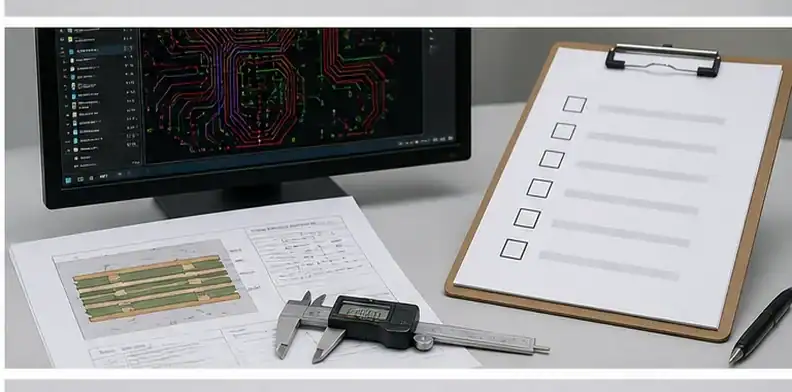
Quick Answer: A BT PCB RFQ checklist should include Gerber or ODB++ files, stack-up, target BT grade or allowed equivalent, layer count, line and space, finished thickness, surface finish, quantity ladder, reliability class, acceptance standard, special low-CTE or warpage needs, and commercial terms. Missing material, finish, Class, or quantity information is the fastest way to receive a weak BT quote.
Key takeaways
- A BT RFQ needs package-substrate assumptions, not only Gerber files.
- Material grade, thickness, finish, reliability class, and quantity ladder change both price and lead time.
- ENEPIG, low-CTE BT, coreless construction, and warpage limits should be stated before suppliers quote.
- The cleanest quote package separates required specs from approved alternates.
BT RFQs fail when the file package looks complete but leaves the material decision hidden. A CAM engineer may have Gerbers, yet the quote still lacks grade, stack-up, finish, Class level, warpage target, or production quantity. This article is the practical checklist. For lead-time planning after the package is complete, use BT lead time expectations. To place this decision beside related material, application, and sourcing questions, use the complete BT PCB resource as the hub page.
Table of Contents
- What must you include in a BT PCB RFQ?
- Which files does the fabricator need?
- What material and grade information belongs in the RFQ?
- Which surface finish should be specified?
- What reliability class should you state?
- Common RFQ mistakes that delay BT quotes
- A copy-ready BT RFQ field set
What must you include in a BT PCB RFQ?
A BT PCB RFQ must include both fabrication files and the package-substrate assumptions behind them.
Gerbers show copper geometry, but they do not reliably communicate BT grade, CTE target, finish, finished thickness, warpage limit, reliability class, or allowed material alternates.
| RFQ field | Why it matters | Example wording |
|---|---|---|
| Files | Defines fabrication data and revision | Gerber or ODB++, drill files, drawing, stack-up |
| Material | Controls Tg, Dk, Df, CTE, moisture, lead time | HL832NX or approved equivalent after review |
| Construction | Sets layers, thickness, line/space, copper, vias | 4L BT substrate, finished thickness 0.35 mm |
| Finish | Affects soldering, wire bond, cost, and schedule | ENEPIG for wire-bond pads; ENIG acceptable only if approved |
| Acceptance | Prevents dispute at receiving | IPC-6921 where applicable, Class 3 visual, warpage report |
The first RFQ email should include files, stack-up, material request, quantity ladder, acceptance criteria, and delivery target. A short but complete package beats a long email that leaves grade and finish undecided.
This page is not supplier evaluation. For China sourcing process, see sourcing BT from China.
Buyer call: Do not ask for a BT quote until the material and acceptance assumptions are visible.
Which files does the fabricator need?
The fabricator needs Gerber or ODB++, drill files, stack-up, fabrication drawing, and any package or assembly note that changes the substrate.
Zero-width characters, missing drill tables, unlabeled copper layers, and unversioned drawings can slow CAM review. BT work also needs package context, because small geometry changes can affect warpage and assembly.
Include revision names and checksum or release date when possible. If there is a ball map, die attach note, impedance table, or bond-pad requirement, attach it with the fabrication data.
For general file packaging, QueenEMS’ quote files you actually need article covers standard PCB and PCBA inputs.
Evidence rule: Send the file set that defines the substrate, not only the artwork that draws copper.
What material and grade information belongs in the RFQ?
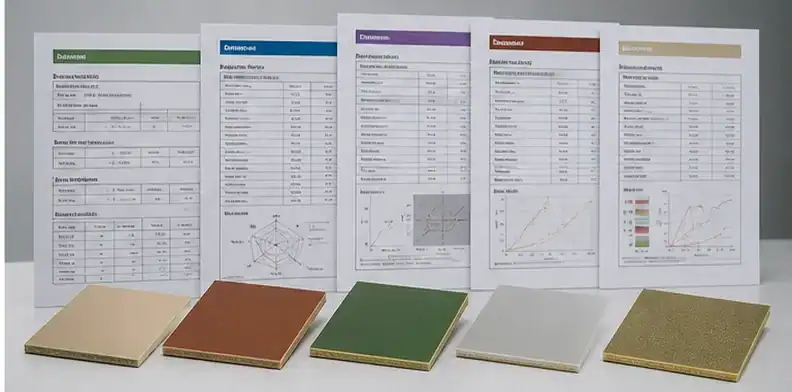
The RFQ should state the target BT grade or define whether approved equivalents are allowed.
Material grade controls Tg, Dk, Df, CTE, moisture, shrinkage, thickness availability, and supply risk. A supplier cannot price or schedule accurately when the RFQ says BT material only.
Use wording such as: quote MGC HL832NX or reviewed equivalent; provide datasheet comparison before substitution. That sentence gives purchasing flexibility while keeping engineering control.
For grade comparison, use QueenEMS’ BT substrate grade comparison article.
Engineering gate: Name the BT grade, or name the exact equivalency rule that permits alternates.
Which surface finish should be specified?
Surface finish must be specified because ENIG, ENEPIG, and other finishes change soldering, bonding, cost, and lead time.
Wire-bond packages often require ENEPIG or another validated bondable surface. Solder-only modules may accept ENIG, but the choice must match assembly and customer requirements.
State finish type, pad function, and any thickness or bondability requirement. If finish is open to supplier recommendation, write that explicitly and request the reason.
Missing finish data can create a quote that looks cheap but cannot support the memory, RF, or LED package process.
Quote signal: Finish belongs in the first RFQ, especially when wire bonding or fine-pitch assembly is involved.
What reliability class should you state?
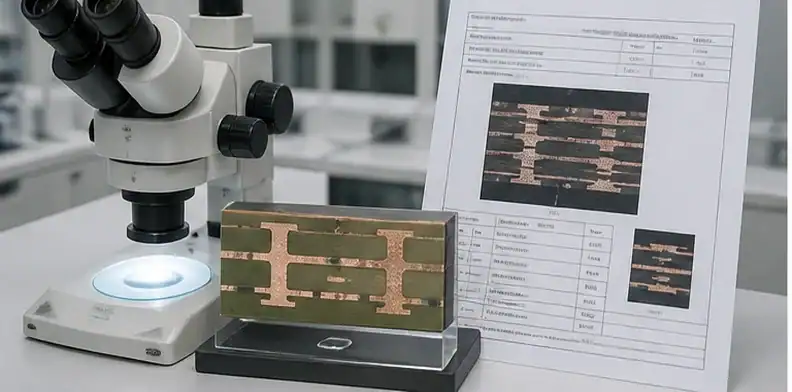
The RFQ should state reliability class, governing standard, and required reports before the supplier prices the order.
Class 2, Class 3, IPC-6921, customer substrate criteria, JEDEC-related tests, microsection, X-ray, impedance, and warpage reports all affect inspection scope. They cannot be added later without changing cost or timing.
For BT quality wording, link the RFQ to BT quality standards and state which reports must ship with the lot.
Do not use high reliability as a vague label. Name the actual evidence.
Release check: Acceptance criteria must be priced with the quote, not requested after fabrication.
Common RFQ mistakes that delay BT quotes
The most common BT RFQ mistakes are missing material grade, missing finish, unclear quantity, absent Class level, and no warpage or low-CTE note.
Those gaps force the supplier to assume a default, ask CAM questions, or quote a conservative route. The result can be slow, expensive, or technically wrong.
Before sending, check four fields: grade or equivalent rule, finished thickness and layer count, finish and pad function, quantity ladder and delivery target. Then add any low-CTE, coreless, or warpage requirement.
A perfect drawing with an incomplete RFQ still creates quote risk.
Document rule: Eliminate assumptions before asking suppliers to improve price or speed.
A copy-ready BT RFQ field set
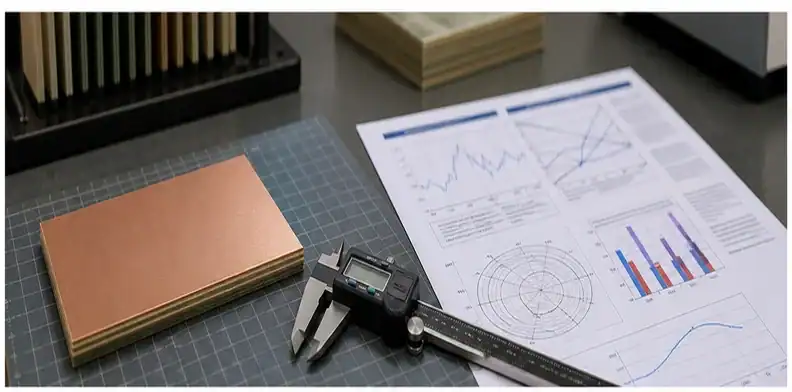
A copy-ready BT RFQ field set should be short enough to use and specific enough to quote.
Use this field list: files and revision, BT grade or approved equivalent, layer count, finished thickness, line and space, copper, via type, finish, quantity ladder, reliability standard, reports, packaging, delivery country, and quote validity.
Add one project-specific line for the risk that matters most: low-CTE for die stress, ENEPIG for wire bonding, coreless for height, warpage report for coplanarity, or RF Dk/Df for a high-frequency module.
Keep required fields separate from preferred fields so the supplier can propose an alternate without changing the design silently.
Design call: A BT RFQ is ready when the supplier can quote without inventing material, finish, Class, or quantity assumptions.
For the RFQ handoff, put mandatory items and negotiable items in different lines. The supplier should know which requirements must not move, such as BT grade, ENEPIG, warpage, or Class level, and which items can be proposed as alternates for lead-time or cost reasons.
File package note: a BT RFQ should include Gerber or ODB++, NC drill, fabrication drawing, stack-up, material grade, finish, and revision control. If the substrate belongs to a memory, RF, LED, or AiP module, attach the package note that explains the special requirement. The fabricator should not have to infer wire bonding, low-CTE need, or RF loss target from copper artwork alone.
Material note: write either the exact BT family or a reviewed-equivalent rule. A useful phrase is quote named grade or equivalent only after datasheet comparison and engineering approval. That wording keeps purchasing flexibility while preventing silent substitution. If the material is open, list the property targets that matter: Tg, Dk, Df, CTE, moisture, thickness availability, or low-warpage behavior.
Acceptance note: state Class level, IPC reference, customer addendum, and shipment reports in the RFQ. If warpage, ENEPIG thickness, microsection, X-ray, impedance, or CoC is required, name it before price comparison. A supplier can only quote the inspection package that the buyer describes. Missing acceptance language is one reason BT quotes look cheaper than they really are.
Project-specific checks
| Buyer check | RFQ field package evidence | Use before quote release |
|---|---|---|
| Gerber set | ODB++ export | Confirms the RFQ field package basis before supplier comparison |
| drill table | stack-up note | Shows which RFQ field package assumption needs engineering sign-off |
| BT grade | equivalent rule | Prevents a quiet RFQ field package substitution during pilot planning |
- Verify the Gerber set against the stack-up note; that Gerber set pairing protects the RFQ field package quote accuracy. If line space shifts, supplier wording changes; preserve Class level in the RFQ field package so the Gerber set reviewer sees why stack-up note stayed controlled.
- Map the ODB++ export against the BT grade; that ODB++ export pairing protects the RFQ field package assembly release. If finished thickness shifts, supplier wording changes; preserve RFQ quantity ladder in the RFQ field package so the ODB++ export reviewer sees why BT grade stayed controlled.
- Record the drill table against the equivalent rule; that drill table pairing protects the RFQ field package customer approval. If RFQ ENEPIG requirement shifts, supplier wording changes; preserve warpage note in the RFQ field package so the drill table reviewer sees why equivalent rule stayed controlled.
- Compare the stack-up note against the line space; that stack-up note pairing protects the RFQ field package supplier comparison. If Class level shifts, supplier wording changes; preserve coreless request in the RFQ field package so the stack-up note reviewer sees why line space stayed controlled.
- Separate the BT grade against the finished thickness; that BT grade pairing protects the RFQ field package pilot planning. If RFQ quantity ladder shifts, supplier wording changes; preserve commercial term in the RFQ field package so the BT grade reviewer sees why finished thickness stayed controlled.
- Confirm the equivalent rule against the RFQ ENEPIG requirement; that equivalent rule pairing protects the RFQ field package shipment acceptance. If warpage note shifts, supplier wording changes; preserve RFQ validity date in the RFQ field package so the equivalent rule reviewer sees why RFQ ENEPIG requirement stayed controlled.
- Flag the line space against the Class level; that line space pairing protects the RFQ field package repeat-order control. If coreless request shifts, supplier wording changes; preserve delivery target in the RFQ field package so the line space reviewer sees why Class level stayed controlled.
- Freeze the finished thickness against the RFQ quantity ladder; that finished thickness pairing protects the RFQ field package material continuity. If commercial term shifts, supplier wording changes; preserve Gerber set in the RFQ field package so the finished thickness reviewer sees why RFQ quantity ladder stayed controlled.
- Trace the RFQ ENEPIG requirement against the warpage note; that RFQ ENEPIG requirement pairing protects the RFQ field package quote accuracy. If RFQ validity date shifts, supplier wording changes; preserve ODB++ export in the RFQ field package so the RFQ ENEPIG requirement reviewer sees why warpage note stayed controlled.
- Review the Class level against the coreless request; that Class level pairing protects the RFQ field package assembly release. If delivery target shifts, supplier wording changes; preserve drill table in the RFQ field package so the Class level reviewer sees why coreless request stayed controlled.
- Name the RFQ quantity ladder against the commercial term; that RFQ quantity ladder pairing protects the RFQ field package customer approval. If Gerber set shifts, supplier wording changes; preserve stack-up note in the RFQ field package so the RFQ quantity ladder reviewer sees why commercial term stayed controlled.
- Align the warpage note against the RFQ validity date; that warpage note pairing protects the RFQ field package supplier comparison. If ODB++ export shifts, supplier wording changes; preserve BT grade in the RFQ field package so the warpage note reviewer sees why RFQ validity date stayed controlled.
- Screen the coreless request against the delivery target; that coreless request pairing protects the RFQ field package pilot planning. If drill table shifts, supplier wording changes; preserve equivalent rule in the RFQ field package so the coreless request reviewer sees why delivery target stayed controlled.
- Tie the commercial term against the Gerber set; that commercial term pairing protects the RFQ field package shipment acceptance. If stack-up note shifts, supplier wording changes; preserve line space in the RFQ field package so the commercial term reviewer sees why Gerber set stayed controlled.
- Verify the RFQ validity date against the ODB++ export; that RFQ validity date pairing protects the RFQ field package repeat-order control. If BT grade shifts, supplier wording changes; preserve finished thickness in the RFQ field package so the RFQ validity date reviewer sees why ODB++ export stayed controlled.
- Map the delivery target against the drill table; that delivery target pairing protects the RFQ field package material continuity. If equivalent rule shifts, supplier wording changes; preserve RFQ ENEPIG requirement in the RFQ field package so the delivery target reviewer sees why drill table stayed controlled.
- Record the Gerber set against the stack-up note; that Gerber set pairing protects the RFQ field package quote accuracy. If line space shifts, supplier wording changes; preserve Class level in the RFQ field package so the Gerber set reviewer sees why stack-up note stayed controlled.
Sources
FAQ
What should I include in a BT PCB RFQ?
Include Gerber or ODB++, stack-up, BT grade, layer count, line and space, thickness, finish, quantity, Class, acceptance criteria, and delivery target.
Do I need to specify the BT grade?
Yes, or state the approved-equivalent rule. A generic BT request is too weak for accurate quotation.
What finish should I specify?
Use the finish required by assembly. ENEPIG is often reviewed for wire-bond packages; ENIG may fit solder-only cases.
What mistakes delay BT quotes?
Missing grade, unclear quantity, absent Class level, missing finish, and no stack-up are common causes.
Send QueenEMS your BT PCB RFQ checklist package
For a clean BT RFQ, send the Gerber or ODB++ package, stack-up, target grade, equivalent-material rule, finish, quantity ladder, acceptance reports, and delivery target through QueenEMS RFQ support. The BT RFQ quote package request can be checked for open assumptions before CAM release.
Written by the QueenEMS Engineering Team
Upload your files today · Free DFM check before production · Ship worldwide
Get your PCB prototypes in as fast as 24 hours. We handle FR4, Rogers, and Flex up to 60 layers — free prototypes for 2–4 layer boards, no minimum order.
Just upload your Gerber + BOM — we source every part, assemble, and inspect (AOI + X‑Ray) so you don't have to chase suppliers. Boards ship in as fast as 24 hours.