
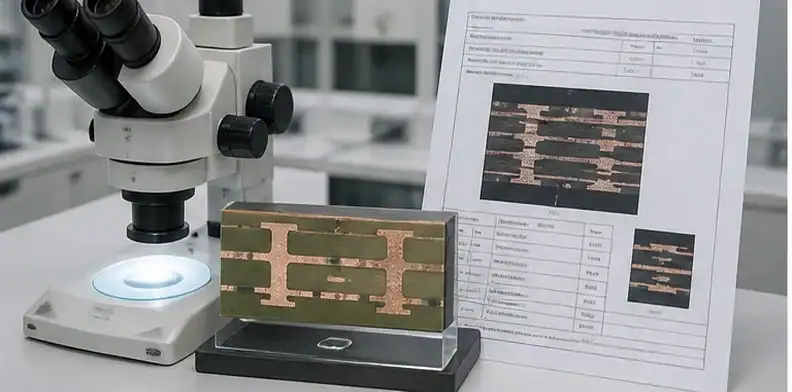
Quick Answer: BT PCB quality standards should be defined by the substrate application, not only by a generic PCB Class. For organic IC package substrates, IPC-6921 is the key current standard to verify, while IPC-6012, IPC-A-600, IPC-4101, JEDEC reliability methods, and customer acceptance criteria may also apply depending on whether the build is board-like or package-like.
Key takeaways
- IPC-6921 is the key organic IC substrate standard buyers should verify for BT package-substrate work.
- IPC Class 2 and Class 3 language is still useful, but it may not cover every package-substrate issue.
- Acceptance should include visual, dimensional, electrical, microsection, warpage, and reliability evidence as needed.
- The RFQ should state which standard governs acceptance and which tests ship with the lot.
Quality standards become messy when a BT design sits between PCB and package-substrate worlds. A buyer may write IPC Class 3, while the supplier thinks in package-substrate tests, warpage, coplanarity, and fine-feature acceptance. This article maps the standards and documents that should be named before a BT order is released. For RFQ field wording, see building a BT RFQ. For adjacent questions on specifications, package use cases, cost, and supplier review, the BT PCB knowledge hub gives the broader context.
Table of Contents
- What standards govern BT substrate quality?
- What is IPC-6921 and why does it matter?
- IPC Class 2 versus Class 3 for BT
- What material standards apply?
- Which reliability tests should you require?
- How JEDEC fits into package reliability
- How to write acceptance criteria
What standards govern BT substrate quality?
BT quality should be controlled through the standard that matches the product: IC package substrate, rigid PCB, or customer-specific package.
A BT carrier may need package-substrate acceptance, while a BT-like board-level assembly may still rely partly on rigid PCB standards. The problem is not choosing the strictest acronym; it is choosing the correct acceptance basis.
| Standard or evidence | Role in BT work | Buyer action |
|---|---|---|
| IPC-6921 | Organic IC substrate performance and acceptance reference | Verify current revision and applicability |
| IPC-6012 / IPC-A-600 | Rigid board performance and visual acceptance where relevant | State Class level and exceptions |
| IPC-4101 | Laminate and prepreg material specification context | Tie material family to approved datasheet |
| JEDEC methods | Package reliability testing where customer requires it | Name the test plan and acceptance owner |
Before quotation, state whether the part is an organic IC substrate, a module board, a memory carrier, or a board-level PCB using BT laminate. That classification decides which evidence the supplier must prepare.
This article does not replace a customer’s quality plan. It helps build one that suppliers can quote.
Buyer call: Name the governing acceptance standard before judging the supplier’s inspection package.
What is IPC-6921 and why does it matter?
IPC-6921 matters because it addresses organic integrated circuit substrates rather than ordinary board fabrication alone.
IPC announced IPC-6921 as a performance specification for organic printed board integrated circuit substrates. Public IPC material describes coverage for both wire-bond and flip-chip structures and highlights a multi-year standards-development effort.
As of 2026, buyers should verify the current IPC-6921 revision and ask whether the supplier can inspect against the relevant sections. Do not quote exact clause promises unless the supplier and customer both confirm applicability.
Use IPC-6921 as a current reference point, then map customer-specific acceptance items around it.
Evidence rule: For package-like BT builds, verify IPC-6921 before relying only on conventional PCB Class language.
IPC Class 2 versus Class 3 for BT
IPC Class 2 or Class 3 can still matter, but Class language alone may be incomplete for BT package substrates.
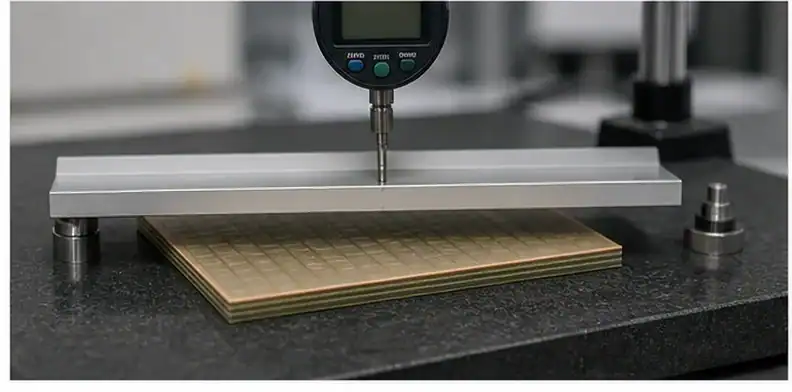
Class 2 is often used for dedicated-service electronic products, while Class 3 is used where high reliability or continuous performance is expected. A BT package may also need warpage, coplanarity, fine-feature, or package-reliability controls beyond a Class label.
Medical, automotive, aerospace, or critical industrial modules should state Class level, customer addenda, and any BT-specific tests. The supplier should flag conflicts between standard PCB acceptance and substrate-specific requirements.
Do not assume Class 3 automatically covers every package-substrate concern.
Engineering gate: Use Class level as one acceptance layer, then add BT-specific substrate evidence where needed.
What material standards apply?
Material standards and datasheets define the laminate basis behind the BT quality claim.
IPC-4101 is commonly used for laminate and prepreg specification context, while BT material data from the supplier defines grade values such as Tg, Dk, Df, CTE, moisture, and flame rating. Both levels can be relevant.
The drawing should name the material family or approved equivalent rule. If equivalents are allowed, the supplier should provide datasheet comparison before production, not after receiving inspection finds a mismatch.
For parameter reading, use QueenEMS’ BT datasheet parameters page.
Quote signal: Quality acceptance starts with material identity, not only finished-board inspection.
Which reliability tests should you require?
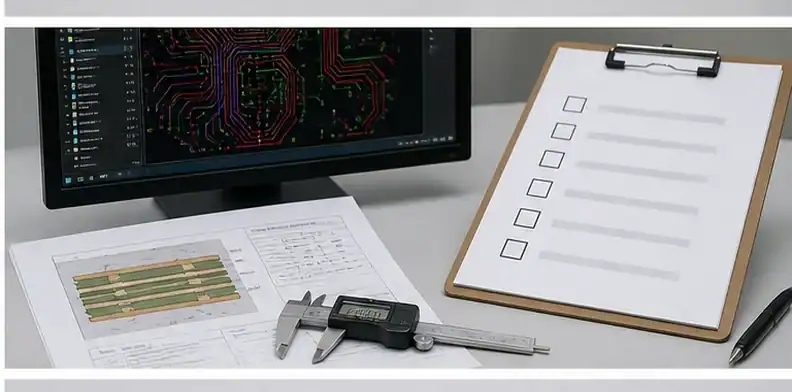
BT acceptance may require AOI, electrical test, X-ray, microsection, impedance, SIR, warpage, and dimensional checks depending on the design.
Fine features, thin substrates, blind or buried vias, package pads, ENEPIG finish, and strict coplanarity can each add inspection work. A supplier cannot quote the inspection burden accurately if the RFQ says quality docs required without naming the documents.
State which reports must ship: inspection summary, microsection images, impedance data, X-ray evidence, solderability, warpage, or certificate of conformance. For an example evidence path, use QueenEMS’ sample QC report.
Do not request every test for every sample. Match test scope to product risk and customer requirement.
Release check: List required BT acceptance evidence in the RFQ before price comparison.
How JEDEC fits into package reliability
JEDEC methods fit when the BT substrate is part of a semiconductor package reliability program.
Package qualification can include moisture sensitivity, temperature cycling, high-temperature storage, biased humidity, board-level reliability, or customer-specific test flows. JEDEC language usually belongs to the package qualification plan, not only the bare substrate purchase order.
Clarify whether QueenEMS is quoting bare substrate fabrication, assembly support, or documentation for a customer package qualification. The owner of pass/fail criteria should be named before testing begins.
A fabricator can provide build evidence, but customer package reliability approval may require a wider test program.
Document rule: Use JEDEC references only when the package qualification scope and owner are defined.
How to write acceptance criteria
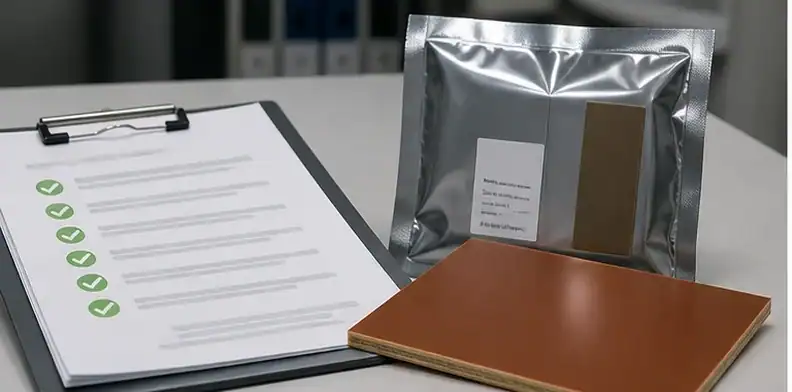
Acceptance criteria should be written as deliverable evidence, not as a vague demand for high quality.
A strong BT RFQ names standard, class, material grade, finish, critical dimensions, warpage or coplanarity limit, test reports, and hold points. That language lets the supplier price the work and flag deviations before release.
A concise acceptance line might state: inspect to agreed IPC-6921 or customer substrate criteria, Class 3 visual where applicable, ENEPIG finish report, microsection for first lot, and warpage data at the customer temperature condition.
Do not ask for a quality package after the lot ships. Late evidence requests can delay receiving and create disputes.
Design call: Write BT acceptance as named standards plus named reports plus named deviation rules.
For standards control, keep the customer drawing, IPC reference, material declaration, and inspection report request aligned. If one document names IPC-6921 while another only says Class 3, the supplier should clarify which requirement governs acceptance before fabrication begins.
Standards field note: IPC-6921 should be treated as an applicability check, not a slogan. The buyer should ask whether the part is an organic IC substrate, a module board, or a board-level PCB using BT laminate. If it is package-like, IPC-6921 becomes a serious reference to verify. If it is board-like, IPC-6012 and IPC-A-600 may still be part of acceptance, but they may not cover every package-substrate item.
Inspection field note: define which evidence is mandatory for shipment. A memory substrate may need finish and warpage evidence. An RF module may need impedance or TDR information. A thin package carrier may need microsection, dimensional, and coplanarity checks. A critical customer may require Class 3 visual language plus customer addenda. The supplier can price these only when the reports are named before fabrication.
Reliability field note: JEDEC references belong to the package qualification plan when the BT substrate is part of a semiconductor package. The bare substrate supplier may provide construction and inspection evidence, while the customer or package owner controls full qualification. The RFQ should not imply that a fabricator alone can complete every package reliability obligation unless that scope has been agreed.
Project-specific checks
| Buyer check | quality standard file evidence | Use before quote release |
|---|---|---|
| IPC-6921 scope | Class 3 note | Confirms the quality standard file basis before supplier comparison |
| IPC-A-600 view | IPC-4101 material | Shows which quality standard file assumption needs engineering sign-off |
| JEDEC plan | AOI report | Prevents a quiet quality standard file substitution during pilot planning |
- Verify the IPC-6921 scope against the IPC-4101 material; that IPC-6921 scope pairing protects the quality standard file quote accuracy. If X-ray record shifts, supplier wording changes; preserve SIR test in the quality standard file so the IPC-6921 scope reviewer sees why IPC-4101 material stayed controlled.
- Map the Class 3 note against the JEDEC plan; that Class 3 note pairing protects the quality standard file assembly release. If microsection photo shifts, supplier wording changes; preserve TDR data in the quality standard file so the Class 3 note reviewer sees why JEDEC plan stayed controlled.
- Record the IPC-A-600 view against the AOI report; that IPC-A-600 view pairing protects the quality standard file customer approval. If warpage result shifts, supplier wording changes; preserve finish report in the quality standard file so the IPC-A-600 view reviewer sees why AOI report stayed controlled.
- Compare the IPC-4101 material against the X-ray record; that IPC-4101 material pairing protects the quality standard file supplier comparison. If SIR test shifts, supplier wording changes; preserve customer addendum in the quality standard file so the IPC-4101 material reviewer sees why X-ray record stayed controlled.
- Separate the JEDEC plan against the microsection photo; that JEDEC plan pairing protects the quality standard file pilot planning. If TDR data shifts, supplier wording changes; preserve acceptance owner in the quality standard file so the JEDEC plan reviewer sees why microsection photo stayed controlled.
- Confirm the AOI report against the warpage result; that AOI report pairing protects the quality standard file shipment acceptance. If finish report shifts, supplier wording changes; preserve lot certificate in the quality standard file so the AOI report reviewer sees why warpage result stayed controlled.
- Flag the X-ray record against the SIR test; that X-ray record pairing protects the quality standard file repeat-order control. If customer addendum shifts, supplier wording changes; preserve revision date in the quality standard file so the X-ray record reviewer sees why SIR test stayed controlled.
- Freeze the microsection photo against the TDR data; that microsection photo pairing protects the quality standard file material continuity. If acceptance owner shifts, supplier wording changes; preserve IPC-6921 scope in the quality standard file so the microsection photo reviewer sees why TDR data stayed controlled.
- Trace the warpage result against the finish report; that warpage result pairing protects the quality standard file quote accuracy. If lot certificate shifts, supplier wording changes; preserve Class 3 note in the quality standard file so the warpage result reviewer sees why finish report stayed controlled.
- Review the SIR test against the customer addendum; that SIR test pairing protects the quality standard file assembly release. If revision date shifts, supplier wording changes; preserve IPC-A-600 view in the quality standard file so the SIR test reviewer sees why customer addendum stayed controlled.
- Name the TDR data against the acceptance owner; that TDR data pairing protects the quality standard file customer approval. If IPC-6921 scope shifts, supplier wording changes; preserve IPC-4101 material in the quality standard file so the TDR data reviewer sees why acceptance owner stayed controlled.
- Align the finish report against the lot certificate; that finish report pairing protects the quality standard file supplier comparison. If Class 3 note shifts, supplier wording changes; preserve JEDEC plan in the quality standard file so the finish report reviewer sees why lot certificate stayed controlled.
- Screen the customer addendum against the revision date; that customer addendum pairing protects the quality standard file pilot planning. If IPC-A-600 view shifts, supplier wording changes; preserve AOI report in the quality standard file so the customer addendum reviewer sees why revision date stayed controlled.
- Tie the acceptance owner against the IPC-6921 scope; that acceptance owner pairing protects the quality standard file shipment acceptance. If IPC-4101 material shifts, supplier wording changes; preserve X-ray record in the quality standard file so the acceptance owner reviewer sees why IPC-6921 scope stayed controlled.
- Verify the lot certificate against the Class 3 note; that lot certificate pairing protects the quality standard file repeat-order control. If JEDEC plan shifts, supplier wording changes; preserve microsection photo in the quality standard file so the lot certificate reviewer sees why Class 3 note stayed controlled.
- Map the revision date against the IPC-A-600 view; that revision date pairing protects the quality standard file material continuity. If AOI report shifts, supplier wording changes; preserve warpage result in the quality standard file so the revision date reviewer sees why IPC-A-600 view stayed controlled.
- Record the IPC-6921 scope against the IPC-4101 material; that IPC-6921 scope pairing protects the quality standard file quote accuracy. If X-ray record shifts, supplier wording changes; preserve SIR test in the quality standard file so the IPC-6921 scope reviewer sees why IPC-4101 material stayed controlled.
Sources
FAQ
What IPC standard applies to BT substrate?
For organic IC package substrates, verify IPC-6921. Board-like BT builds may also use IPC-6012 and IPC-A-600 where applicable.
Is IPC Class 3 enough for BT?
Not always. Class 3 may need added warpage, package, material, or reliability requirements.
What tests should I request?
Common evidence can include AOI, electrical test, X-ray, microsection, impedance, SIR, and warpage checks depending on the design.
Does JEDEC apply to BT PCB?
It can apply when the BT substrate is part of a semiconductor package qualification plan.
Send QueenEMS your BT PCB quality standards package
For a BT quality-standard review, provide the product class, customer standard, BT grade, drawing acceptance notes, required reports, and shipment-document list through QueenEMS quality support. The BT quality capability review scope can then connect IPC-6921, Class language, material evidence, and test reporting before release.
Written by the QueenEMS Engineering Team
Upload your files today · Free DFM check before production · Ship worldwide
Get your PCB prototypes in as fast as 24 hours. We handle FR4, Rogers, and Flex up to 60 layers — free prototypes for 2–4 layer boards, no minimum order.
Just upload your Gerber + BOM — we source every part, assemble, and inspect (AOI + X‑Ray) so you don't have to chase suppliers. Boards ship in as fast as 24 hours.