
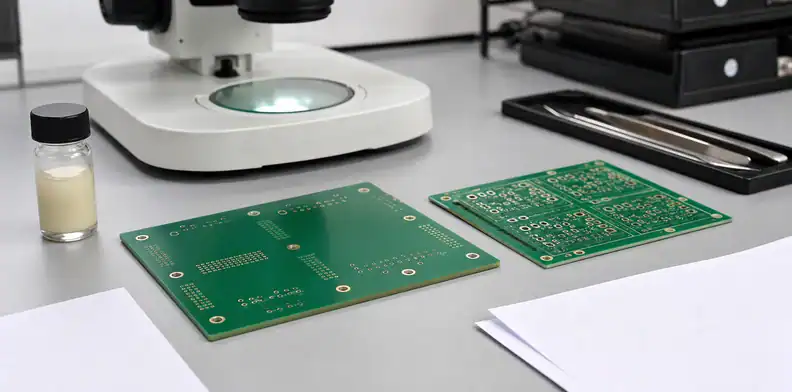
Quick Answer: Resin Plug Via PCB quotes need a clear finished-via definition, not only the words plugged or filled. Buyers should state the fill purpose, planarization need, cap expectation, void concern, and evidence required for acceptance.
Resin Plug Via PCB work becomes risky when the supplier and buyer use the same via words but expect different finished conditions. Use this page when the design already needs resin-plugged or filled vias and the remaining question is how the supplier will prove the finished condition. The goal is to define fill, cap, surface, and evidence requirements before pricing.
Table of Contents
- What must the RFQ say about resin plug vias?
- When is resin plugging different from via filling?
- Which void and recession questions should be closed?
- How does planarization affect assembly risk?
- What evidence should buyers ask for?
- How should suppliers handle substitutions?
- What shipment documents prevent receiving disputes?
- How should buyers store the accepted resin plug rule?
- How should buyers send a resin plug review package?
What must the RFQ say about resin plug vias?
A resin plug via PCB RFQ must say whether the via is filled for solderability, via-in-pad flatness, vacuum prevention, reliability evidence, or cosmetic protection. The fabrication route changes when the filled via must also be planarized and capped.
The broader via tenting versus plugging versus filling page explains the via-protection choices. This article focuses on the acceptance package after the buyer has selected resin plugging as the intended process.
RFQ signal: name the via type, layer span, finished hole size, fill requirement, planarization requirement, and cap-plating expectation.
The via table should state whether the plugged vias are under pads, in thermal areas, in test pads, or simply used to reduce contamination risk. Those use cases do not need the same surface condition. A supplier can quote more accurately when the drawing tells them whether a flat solderable surface is required.
Include a via-location drawing when only some vias need the stricter condition. A board may contain hundreds of ordinary vias and a smaller number of pad-critical filled structures; quoting all of them as the strict case can inflate cost and inspection time.
For quote comparison, separate via groups by risk. Via-in-pad structures, thermal pad vias, exposed test-pad vias, and ordinary plugged vias may need different inspection levels, so one blanket line item can hide cost and acceptance differences.
When is resin plugging different from via filling?
Resin plugging is often discussed casually, but the buyer should define the target condition. A plugged via may block solder or contamination, while a filled and capped via may need a flat surface for pads, BGA escape, or assembly reliability.
For via-in-pad decisions, compare this article with copper fill versus resin fill. The narrower question here is how the supplier proves the selected resin process met the drawing requirement.
| Resin plug detail | Why it changes acceptance | RFQ wording |
|---|---|---|
| Plug only | Blocks solder or contamination but may not be flat | State whether cap and planarization are excluded |
| Filled and capped | Creates a solderable pad surface | Require cap condition and surface inspection |
| Microsection need | Hidden voids cannot be judged visually | Name sample frequency or first-lot evidence |
Buyer call: do not let the word ‘plugged’ replace a finished-surface and acceptance definition.
Many RFQ delays come from mixed wording such as plugged, filled, capped, and planarized appearing in different files. The safest approach is to choose one acceptance phrase and use it consistently in the fabrication drawing, pad stack notes, and RFQ email. Inconsistent wording turns a process choice into a clarification loop.
Terminology should be settled before the supplier prices the job. If the drawing says plug, the pad stack says fill, and the RFQ says cap, the supplier has to pause or choose the safest expensive assumption. One controlled phrase prevents that loop.
The RFQ should also name the surface finish because the final pad condition is judged after finish, not after plugging alone. A filled structure that looks acceptable before finish can still create a solderability question after the final surface is applied.
Which void and recession questions should be closed?
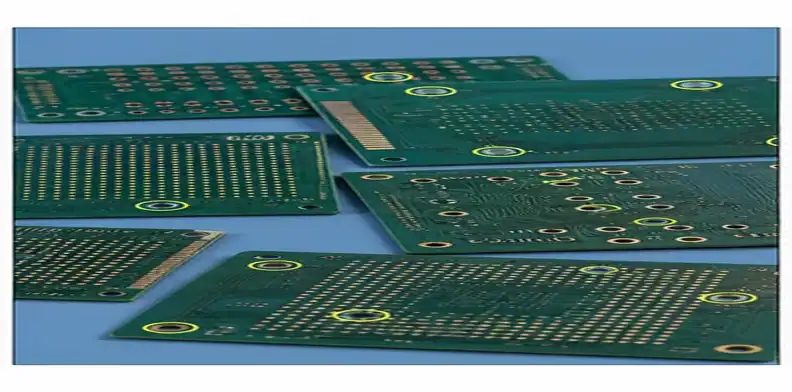
Void and resin recession questions should be closed before fabrication when the via is under a pad, in a dense BGA escape, exposed to solder, or used in a customer-visible acceptance area. The RFQ should say whether small internal voids are acceptable, whether cap plating is required, and how flatness will be judged.
A supplier cannot price the same way when one buyer accepts process-standard plugging and another expects microsection evidence plus capped, planarized pads. The drawing should make that difference visible.
Acceptance rule: state what defect condition fails the lot before the first production board is built.
Void acceptance should be linked to the product risk. A low-risk non-pad via may not justify destructive evidence, while a capped via-in-pad under a fine-pitch BGA may need microsection proof. The buyer should define which locations are critical instead of applying the highest inspection burden everywhere.
Void concerns should be tied to acceptance. Some process standards allow limited voiding, while customer or reliability requirements may be tighter. The RFQ should say whether the buyer is following supplier standard, customer drawing, or a specific engineering requirement.
If the supplier proposes a standard resin-plug process, ask what that standard includes. Some shops mean plug-only, some mean fill-and-planarize, and some include cap plating only for specific via-in-pad cases.
How does planarization affect assembly risk?
Planarization affects assembly risk because resin bumps, recesses, or smear can change solder volume, pad flatness, and stencil contact. This is especially relevant for via-in-pad, tight BGA pitch, QFN thermal pads, and fine-pitch land patterns.
Pair the resin plug note with solder mask opening requirements when the filled via sits near exposed pads. Mask relief, finish thickness, and planarization all meet at the same assembly surface.
Proof rule: request surface or cross-section evidence when pad flatness is the reason for the resin plug.
Planarization also interacts with surface finish. ENIG, OSP, or other finishes do not remove the need for a flat base condition when the pad itself is formed over a filled structure. If the pad must support stencil printing or component seating, the surface requirement belongs in the RFQ.
Planarization needs should be visible on the assembly side of the package. The PCB fabricator may see a filled via, while the assembler sees solder paste transfer, component seating, or X-ray appearance. The RFQ should bridge those two views.
Thermal vias deserve special caution. Plugging can reduce solder wicking, but it may also change how the pad prints, wets, and releases voids during reflow. The RFQ should state the assembly reason for the via treatment.
What evidence should buyers ask for?
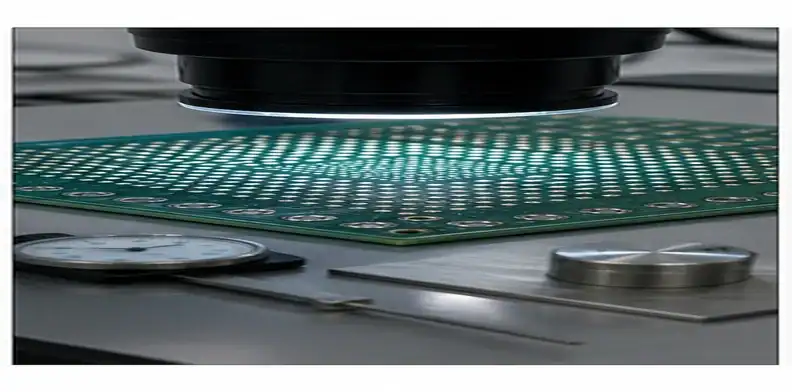
Ask for evidence that matches the risk: process confirmation for simple plugged vias, microsection evidence for hidden fill quality, and surface inspection for capped via-in-pad features. The RFQ should not ask for destructive evidence on every low-risk job, but it should require it when the filled structure is critical.
Use PCB microsection report requirements when hidden fill condition, cap plating, barrel quality, or resin recession must be proven. A photo of the board surface alone cannot show internal void condition.
| Defect concern | Where it matters most | Evidence to request |
|---|---|---|
| Resin recession | Via-in-pad, BGA, QFN thermal pads | Surface flatness photo or cross-section |
| Internal voids | Reliability or customer qualification builds | Microsection report |
| Cap plating break | Solderable pad or exposed test pad | Surface inspection plus acceptance note |
Buyer call: match the evidence to the reason the via was plugged.
Evidence requests should be realistic. Asking for a microsection on every production panel can be unnecessary, but asking for first-lot evidence on a new supplier or new filled-via structure may be wise. The quote should identify the evidence level before the buyer compares prices.
Evidence cost should be decided deliberately. A microsection report adds value when it answers a hidden-risk question, but it should not become automatic paperwork for a low-risk cosmetic plug. Match evidence to risk and state the lot stage clearly.
For prototypes, evidence can be staged. The buyer may accept visual and first-article microsection evidence at low quantity, then define a production control plan after engineering confirms the assembly result.
How should suppliers handle substitutions?
Suppliers should not silently substitute resin material, fill sequence, cap plating assumptions, or inspection method when those choices affect acceptance. A quote may offer an equivalent resin process, but the buyer should see what changes.
Useful answers name the proposed material or process class, expected surface condition, cure or planarization effect, and any change to microsection evidence. The buyer can then decide whether the quote still matches the drawing.
Release rule: resin process substitutions need the same written control as other hidden PCB construction changes.
Substitution control matters because resin behavior is not only a purchasing detail. Cure, shrinkage, thermal exposure, and process sequence can change the finished surface. A substitute may be acceptable, but it should be approved as a process change rather than hidden inside a quote note.
Substitution answers should include both material and process sequence. A different resin may be acceptable only when cure, grinding, cap plating, and final surface behavior remain inside the buyer’s acceptance boundary.
Do not let the supplier fix a resin-plug ambiguity by changing the pad stack without approval. Pad geometry, solder mask, and cap condition are part of the assembly interface.
What shipment documents prevent receiving disputes?
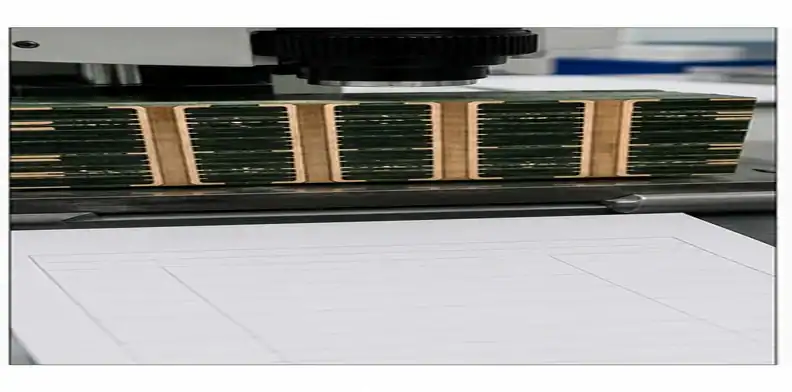
Shipment documents should include the agreed inspection evidence, lot traceability, microsection report when required, and any approved deviation. Receiving teams often see only the finished surface, so the hidden via condition must be documented before the boards leave the supplier.
Connect the RFQ to PCB quality documents before shipment when the resin plug is a customer acceptance item. The shipment packet should make the invisible process visible enough to release the lot.
Acceptance rule: do not rely on receiving inspection to discover a hidden via-fill problem.
Receiving teams rarely have tools to inspect hidden via quality. They can see pad surface, finish, labels, and documents, but not internal fill condition. That is why the shipment packet should carry the agreed evidence when resin plugging is a release item.
Receiving instructions should say what document closes the resin-plug requirement. If the buyer expects a microsection, shipment without that report should be treated as an incomplete release package, not as a receiving-inspection failure.
Receiving should know which side of the board carries the critical filled structures. That helps inspectors compare the shipment packet with the actual boards instead of treating every plugged via as equal.
How should buyers store the accepted resin plug rule?
Store the accepted resin plug rule with the drawing revision, via-location list, inspection evidence, and any supplier process assumption. The goal is to keep the approved fill, cap, planarization, and evidence requirement attached to the exact board revision that was quoted.
This is especially useful for repeat orders. A buyer may reorder the same board months later, but the supplier could change resin material, cap process, or inspection sampling if the previous approval is only buried in email. Keep the accepted rule in the release package so purchasing, engineering, and quality can compare the next quote against the same baseline.
Release record: the accepted resin plug rule should identify which via groups are critical, which evidence closes the requirement, and who must approve a supplier process change.
How should buyers send a resin plug review package?
Use this review when the drawing says resin plug, filled via, via-in-pad, or capped via but does not make the accepted finished condition obvious. The package should include Gerber or ODB++, the fabrication drawing, via table, pad stack, filled-via location list, finish requirement, flatness or cap note, and any microsection or inspection evidence expected at shipment.
Buyer call: define the finished via condition before supplier pricing locks in.
Submit those files on the QueenEMS contact page for a resin plug via PCB acceptance review. QueenEMS can return the specific questions to close before release: which via groups are critical, whether the note matches the land pattern, what evidence should ship with the lot, and which supplier process change would need engineering approval.
FAQ
Is resin plugging required for every via-in-pad design?
No. The need depends on pad use, pitch, thermal path, solder risk, and surface flatness requirements.
Can visual inspection prove resin fill quality?
No. Surface inspection helps with flatness and cap condition, but hidden voids usually need cross-section evidence.
Should the RFQ name the resin material?
Yes, when reliability, cure behavior, temperature exposure, or customer approval depends on the material choice.
The review should also identify which vias are production-critical. A drawing may contain filled vias under BGAs, thermal vias under power pads, and ordinary plugged vias used only for contamination control. Separating those groups lets the supplier quote the right process evidence without treating every via as the highest-risk structure.
For supplier comparison, ask whether rework or concession handling is included when the resin-plug evidence fails. A capped via-in-pad issue may require engineering disposition, extra inspection, or lot sorting rather than simple rework. Writing that path into the RFQ helps purchasing understand why two resin-plug quotes with similar unit prices may carry different release risk.
A second comparison point is whether the resin-plug process is new for the supplier on this exact construction. A shop may have strong filled-via capability on common boards but still need a first-lot check when the board is thicker, the via size changes, or the filled structure sits under a sensitive land pattern. The RFQ should invite the supplier to name that risk before award instead of hiding it in production notes.
For production release, the buyer should also decide whether the resin-plug requirement is tied to a drawing revision, a customer specification, or a supplier process standard. That ownership decides who can approve a later change. If the note came from customer acceptance, purchasing should not accept a supplier-standard downgrade without engineering and quality review.
Written by the QueenEMS Engineering Team
Upload your files today · Free DFM check before production · Ship worldwide
Get your PCB prototypes in as fast as 24 hours. We handle FR4, Rogers, and hybrid boards up to 40 layers in volume production, with advanced builds subject to engineering review — free prototypes for 2–4 layer FR-4 boards, no minimum order.
Just upload your Gerber + BOM — we source every part, assemble, and inspect (AOI + X‑Ray) so you don't have to chase suppliers. Boards ship in as fast as 24 hours.