
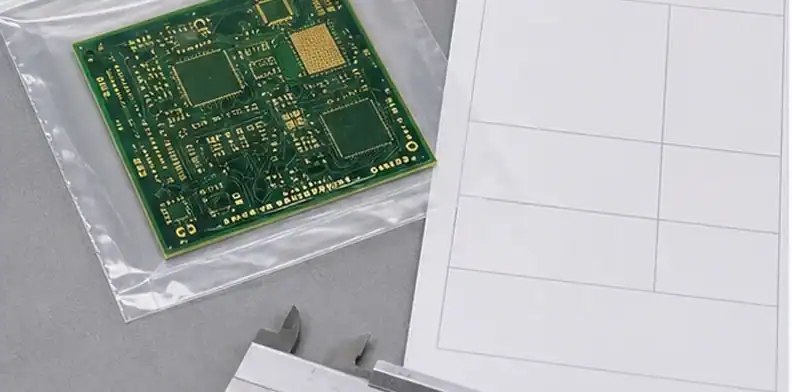
Quick Answer: PCB golden sample approval should define which physical board, file revision, inspection evidence, and process assumptions become the accepted baseline for future lots. It is useful only when the sample is tied to the production data package, stack-up, material, surface finish, panel condition, and approval limits rather than kept as a loose reference board.
Key takeaways – A golden sample is a controlled baseline, not a decorative reference board. – Approval should name the exact revision, measured evidence, and limits of comparison. – The sample should not authorize future material, stack-up, or process changes by itself. – Repeat orders still need revision and quote checks when requirements change.
A PCB golden sample can prevent repeat-order confusion, but only when the team defines what the sample actually approves. Many buyers keep a board in a bag and call it the golden sample. That is not enough. A future lot may match the sample appearance while using a different laminate, copper thickness, impedance build, surface finish age, panel arrangement, or inspection record. Golden sample approval works best when it combines a physical sample with a written release boundary.
This topic is not about collecting a nice-looking reference board. It is about creating an approved comparison baseline that can survive staff turnover, supplier changes, repeat orders, and customer questions. A golden sample without a record can create false confidence because people remember that “the sample was approved” but forget exactly what was approved. The board might approve appearance, not reliability. It might approve fit, not material equivalence. It might approve a prototype condition, not a production process.
The buyer intent is usually close to money. The team may be approving a new supplier, preparing a repeat build, solving an appearance dispute, or trying to avoid a second customer signoff cycle. That is why the article emphasizes boundaries and evidence. The sample should make future decisions faster, not become a vague object that everyone interprets differently.
Table of Contents
- Define What the Golden Sample Represents
- Tie the Sample to One Released File Package
- Record the Measurements That Matter
- Separate Appearance From Functional Approval
- Use the Sample Carefully in Repeat Orders
- Decide When a New Golden Sample Is Needed
Define What the Golden Sample Represents
A golden sample should represent an approved baseline for a specific purpose. It may support supplier qualification, first production release, customer appearance approval, assembly fit validation, or repeat-order comparison. These are not identical decisions, so the approval record should state what the sample can and cannot prove.
For bare PCBs, the sample can be useful for color, finish appearance, outline fit, panel feel, marking placement, packaging, and a visible manufacturing standard. It cannot by itself prove hidden laminate properties, internal layer registration, copper thickness, via reliability, or impedance performance unless those items are backed by records or tests.
Treat the sample as part of the quality record. If it came from a PCB supplier qualification order, store the sample with the supplier, date, lot code, file revision, and inspection result. If it came from a prototype run, be careful: a prototype sample may not represent production panelization, material sourcing, or release controls.
The approval purpose should be written in plain language. For example: “approved as solder mask color and legend position reference only,” or “approved as mechanical fit and packaging reference for Rev B repeat lots.” These statements prevent future teams from overusing the sample. A sample can be valuable and still limited. In fact, its value increases when everyone knows exactly what decision it supports.
Tie the Sample to One Released File Package
The sample must be tied to one released file package. Record the Gerber or ODB++ package, fabrication drawing revision, stack-up, material, surface finish, copper weight, solder mask color, legend color, controlled impedance table, and approved panel drawing when applicable. Without that link, a future team cannot know whether the sample or the file should win when they disagree.
This is the difference between a useful sample and a memory aid. A memory aid says, “make it like this.” A controlled sample says, “this board from lot A123, built to Rev C with this drawing and inspection record, is accepted as the appearance and fit reference for future Rev C lots.” The second version gives purchasing and quality something they can actually enforce.
Use the same discipline as a production data release. The PCB production release package should identify the file set used to make the sample. If a supplier later asks a CAM question or proposes a change, the approval record should show whether the sample remains valid.
The file link also protects the supplier. If a later buyer says the new lot does not match the golden sample, the supplier can compare the claim against the approved package rather than arguing from memory. If the buyer changed the drawing after the sample was made, the record makes that visible. Without this link, the sample may become a source of conflict instead of a source of stability.
Record the Measurements That Matter
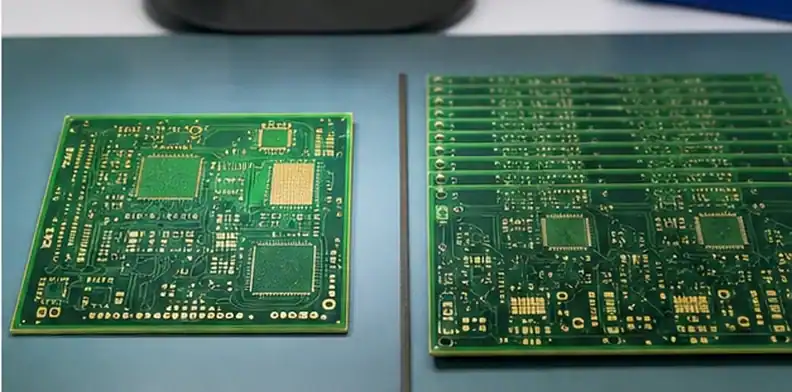
Measure only the characteristics that matter to the sample’s purpose. For assembly fit, that may include outline, slot, connector, tooling-hole, panel, and thickness checks. For appearance approval, it may include solder mask color, legend clarity, finish appearance, edge quality, and marking placement. For reliability-sensitive boards, the sample should be paired with reports rather than trusted alone.
A good approval record includes photos, measured values, inspection method, quantity reviewed, acceptance notes, and known limitations. For example, if the golden sample approves mask shade and legend location but not impedance, say so. If the approved board was a prototype with a hand-modified panel edge, do not let that become the production baseline by accident.
When controlled impedance, HDI, heavy copper, RF laminate, or high-temperature application risk matters, request evidence beyond the sample. Link the sample to the appropriate PCB quality documents before shipment so the physical board and records tell the same story.
For appearance items, use consistent lighting and viewing conditions where possible. Mask shade, surface finish tone, and legend contrast can look different under office light, inspection light, and factory floor light. The approval does not need to become a laboratory color study for every product, but the record should avoid vague statements such as “looks good.” State what was reviewed and what range of normal variation remains acceptable.
Separate Appearance From Functional Approval
Appearance can be approved without approving every manufacturing condition. A customer may approve solder mask color, surface finish appearance, legend contrast, and packaging, while engineering still needs to approve stack-up, material, impedance, and fabrication tolerances. Mixing those approvals creates risk.
This distinction is important when a supplier says a new lot “looks the same.” A board can look the same while using a different approved equivalent laminate, a different copper foil, a changed solder mask supplier, a new panel layout, or a different surface finish process. Some of those changes may be acceptable; others require review.
If material or stack-up changes are proposed after the golden sample, use the PCB material substitution approval process. Do not allow the physical sample to become a blanket authorization for hidden changes. A sample can confirm that the supplier can build a board once; it does not replace change control.
Functional approval needs a different evidence set. If the board is used under BGA, high current, RF, high temperature, or controlled impedance conditions, the sample should be paired with inspection records, test reports, or engineering verification. A beautiful sample can still hide a stack-up issue. That is why the approval record should say when visual comparison is enough and when the next lot still requires technical records.
Use the Sample Carefully in Repeat Orders
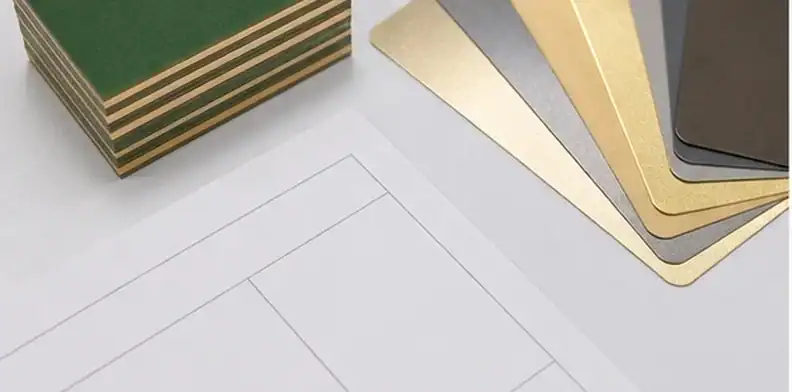
In repeat orders, the golden sample helps compare visible and measurable features, but it should not replace the release package. The buyer should still confirm the current revision, quote assumptions, material rule, panel plan, quality documents, and delivery requirements. A repeat lot can fail even when the supplier still has a good sample in storage.
Use the sample for practical comparisons: Does the mask shade stay within the approved range? Is the marking in the same location? Does the panel format still fit the assembly process? Are edge rails, tabs, or breakaway features consistent with the approved assembly flow? Does the packing protect the boards the same way?
For production control, connect the sample to repeat PCB order revision control. The repeat-order record should say whether the sample remains valid for the new revision. If a new PO changes finish, material, thickness, or customer acceptance level, the old sample may become a historical reference rather than a current approval.
When repeat orders are placed months later, material availability and process sources may have shifted. The golden sample helps the buyer ask better questions, but it should not freeze the supplier into impossible sourcing or allow unreviewed alternates. The right question is: does the supplier intend to build this repeat lot under the same approved assumptions, and if not, which change needs buyer approval before production starts?
Decide When a New Golden Sample Is Needed
A new golden sample is needed when the approved baseline no longer represents the production requirement. Triggers include revision changes, material changes, surface finish changes, solder mask or legend changes, panel changes that affect assembly, supplier transfers, major process changes, and any customer request for fresh approval.
Do not create unnecessary samples for every small administrative change. A PO number change, shipment destination change, or unchanged repeat quantity may not require a new physical approval. The decision should follow risk: could the change affect fit, function, reliability, appearance, assembly yield, or customer acceptance?
For QueenEMS review, send the candidate sample purpose, file package, drawing revision, measured dimensions, required records, photos of approved areas, and the repeat-order or qualification goal through the QueenEMS contact page. QueenEMS can help define whether the sample is a visual reference, a fit approval, a supplier qualification artifact, or a production baseline.
A new sample decision should be practical. Requiring a new golden sample for every minor reorder slows production, but relying on an old sample after a real design or process change creates risk. Tie the trigger to use: visible customer-facing changes, assembly-fit changes, supplier transfers, surface finish changes, and hidden reliability changes deserve review. Administrative changes usually do not.
Before the next RFQ or repeat PO, decide whether the golden sample should travel as a requirement, a reference, or a supporting record. If it is a requirement, the supplier needs the sample identity and comparison limits. If it is only a reference, the drawing and release package still control. If it is a supporting record, store it beside test reports, inspection photos, and the approved file package.
This is also where the buyer can turn a sample into a better inquiry. Send the sample purpose, revision, photos, measured features, finish expectations, and repeat-order target. A supplier can then tell whether the old sample remains valid, whether a new sample should be made, or whether the order can proceed from documented requirements alone.
If the sample will be used with a customer, define who owns final approval. Some samples are internal supplier controls, some are buyer engineering references, and some are customer-facing appearance approvals. Mixing those levels can create trouble when a customer rejects a lot that the buyer thought was internally acceptable. The record should say whether QueenEMS, the buyer, or the buyer’s end customer is the final authority for each visible or measurable feature.
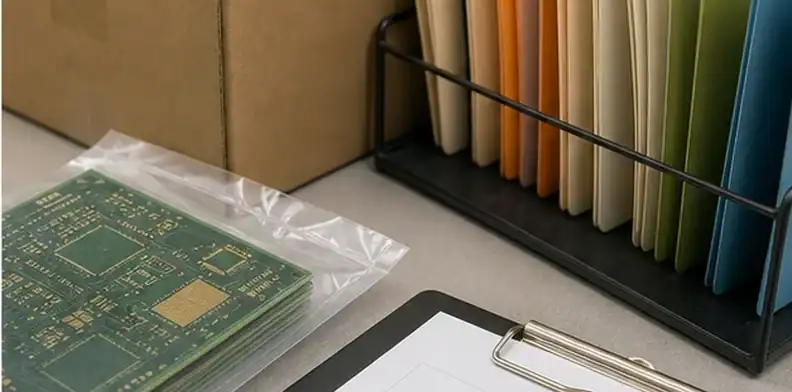
For international sourcing, also decide how the sample travels. A physical board can be damaged, mislabeled, or separated from its paperwork. Use a sample ID, photo set, package date, and storage rule so both sides can confirm they are discussing the same object. If the supplier keeps one sample and the buyer keeps another, the two samples should be from the same lot or the difference should be documented.
Finally, define how long the approval remains useful. A sample from two years ago may still show desired appearance, but it may not reflect the current laminate source, surface finish shelf-life expectation, panel plan, or customer specification. Time does not automatically invalidate a sample, but it should trigger a review before repeat production, especially when the new order is larger or more critical than the original sample lot and will ship directly to customer assembly without another inspection buffer.
FAQ
Is a PCB golden sample the same as first article approval?
No. A golden sample is a retained reference baseline. First article approval is a release decision based on inspection evidence, requirements, and production readiness.
Can I approve repeat production from one golden sample?
Only when the sample is tied to the same revision, material rule, stack-up, panel condition, and quality requirements. Otherwise, the repeat order still needs review.
Should the supplier keep the golden sample or should the buyer keep it?
Both can keep controlled samples when the order is important. The key is that each sample has the same identity, revision, lot code, and approval limits.
What should be written on the golden sample record?
Record part number, revision, supplier, lot, date, approved purpose, inspection evidence, known limits, approver, and when a new sample is required.
Sources
Written by the QueenEMS Engineering Team
Upload your files today · Free DFM check before production · Ship worldwide
Get your PCB prototypes in as fast as 24 hours. We handle FR4, Rogers, and Flex up to 60 layers — free prototypes for 2–4 layer boards, no minimum order.
Just upload your Gerber + BOM — we source every part, assemble, and inspect (AOI + X‑Ray) so you don't have to chase suppliers. Boards ship in as fast as 24 hours.