Have you ever opened a high-performance device only to wonder how hundreds of tiny components are packed onto a single circuit board without a single wire sticking out the other side? For many B2B buyers, the struggle to balance shrinking product footprints with rising production costs is a constant headache. If you are dealing with bulky designs or slow assembly speeds, understanding the transition to modern methods is essential. At QueenEMS, we provide the solution by leveraging advanced precision to streamline your manufacturing lifecycle.
Surface mount technology, or SMT, is a method of producing electronic circuits in which components are mounted directly onto the surface of printed circuit boards (PCBs). If you are looking to optimize your hardware, understanding what does SMT mean is the first step toward achieving miniaturization and high-speed production efficiency.
1. What Does SMT Mean in Modern PCB Manufacturing?
What does SMT mean in the context of your project is simply the process of soldering components directly to the top layer of a board rather than using holes. This technique has revolutionized the industry by allowing for double-sided assembly and significantly higher component density.
Is SMT the Right Choice for Your Miniaturization Needs?
The primary goal of SMT is to reduce the size and weight of electronic devices while improving electrical performance. By eliminating lead wires, you can achieve much tighter circuit paths.
- Higher Density: Allows for more components in a smaller area.
- Lower Weight: Ideal for aerospace and handheld consumer electronics.
- Cost Efficiency: Automated processes reduce manual labor expenses.
Let’s dig a little deeper.
| Feature | SMT Impact | Benefit to You |
| Component Placement | Direct Surface Mount | Space Saving |
| Lead Wires | Eliminated | Reduced Parasitics |
As you can see, SMT is the engine behind the sleek, powerful devices we use every day. Key Takeaway: SMT is the standard for high-density, high-speed PCB assembly in the modern era.
2. Why Should You Care About What Does SMT Mean for Cost Reduction?
What does SMT mean for your bottom line is primarily found in the elimination of hole drilling and the automation of the soldering process. Because SMT components are smaller and can be placed by high-speed machines, the cost per unit drops significantly during mass production.
How Does Automation Influence Production Speed?
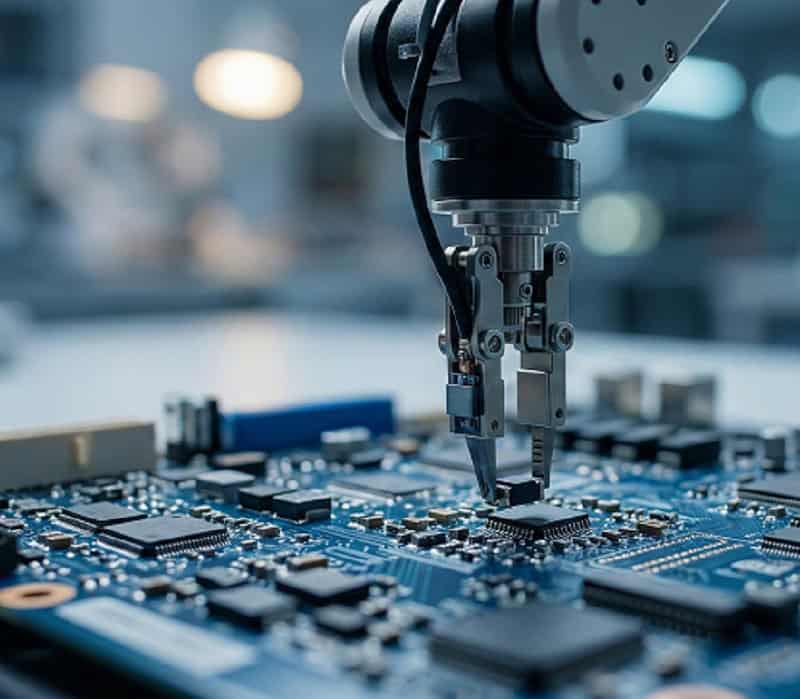
You will find that SMT machines can place thousands of components per hour with nearly perfect accuracy. This level of automation is why what does SMT mean translates directly to faster market entry for your brand.
- Pick-and-Place: Robotic precision replaces human error.
- Reflow Soldering: Hundreds of joints are created simultaneously in a single pass.
- Reduced Rework: High precision leads to fewer defects and lower scrap rates.
But that’s not all.
| Metric | Manual THT | Automated SMT |
| Speed | Slow | Ultra-Fast |
| Accuracy | Variable | High-Precision |
The transition to automated SMT is arguably the most significant cost-saving measure a hardware startup can take. Key Takeaway: Automation in SMT dramatically reduces labor costs and accelerates your production timeline.
Ready to turn these cost-saving theories into reality? Stop waiting weeks for your prototypes
3. What Does SMT Mean When Comparing SMT vs Through-Hole?
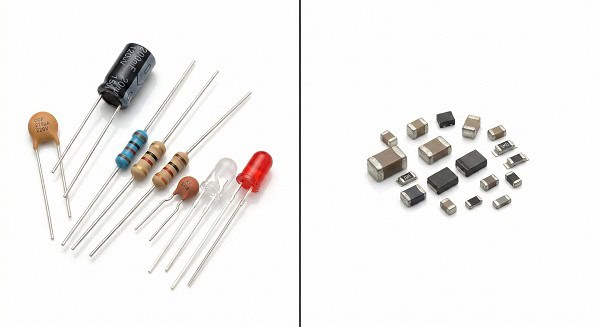
Understanding what does SMT mean requires a direct comparison with its predecessor, Through-Hole Technology (THT). While THT relies on pins that go through the board, SMT components sit on pads, which frees up the opposite side of the PCB for more circuitry.
Which Method Offers Better Mechanical Strength?
While SMT is better for speed, THT is often preferred for heavy components or connectors that face physical stress. However, modern SMT adhesives have bridged this gap for most applications.
- Space: SMT uses only a fraction of the space required by THT.
- Weight: SMT assemblies are up to 90% lighter than THT equivalents.
- Complexity: SMT supports complex BGA and QFN packages that THT simply cannot.
Wait, there’s more.
| Parameter | SMT | Through-Hole (THT) |
| Board Drills | Minimal | Required for every part |
| Assembly | Automated | Often Manual |
Choosing the right balance between SMT vs through-hole depends on your specific environmental and mechanical requirements. Key Takeaway: SMT is superior for density and speed, while THT remains useful for high-stress mechanical connections.
4. How Does the SMT Assembly Process Define What Does SMT Mean?
The actual workflow of what does SMT mean involves three core steps: solder paste printing, component placement, and reflow soldering. This integrated process ensures that every joint is consistent and electrically sound.
What Happens During the Reflow Stage?
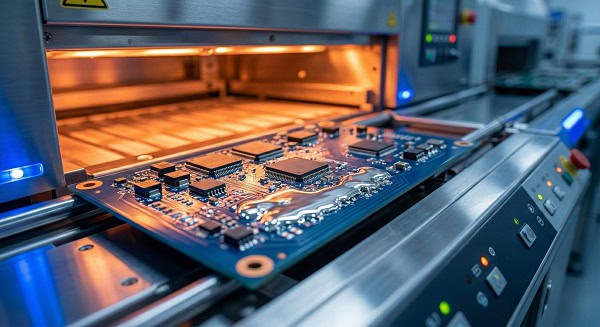
You will see the board enter a multi-zone oven where the temperature is carefully controlled to melt the solder without damaging the sensitive chips. This is a critical phase where precision is paramount.
- Solder Paste Printing: Precise application through a stainless steel stencil.
- Pick and Place: Placing components at micron-level accuracy.
- AOI Inspection: Automated cameras verify every placement before it’s too late.
The best part?
| Step | Action | Purpose |
| Printing | Paste Application | Connectivity Base |
| Reflow | Heating | Permanent Bond |
A well-optimized SMT process is the difference between a reliable product and a high failure rate in the field. Key Takeaway: The SMT assembly process is a highly synchronized series of automated steps focused on speed and repeatable quality.
5. What Does SMT Mean for SMD Component Selection?
What does SMT mean for your design engineers is a shift toward Surface Mount Devices (SMDs). These components come in standardized packages like 0402 or 0201, which are often smaller than a grain of sand.
Are SMD Components More Durable?
Despite their size, SMDs are often more resistant to vibration and shock because they have lower mass and sit flush against the board. This makes them ideal for mobile and industrial applications.
- Passives: Tiny resistors and capacitors (01005 to 1206).
- Active Parts: Integrated circuits in SOIC, QFP, and BGA packages.
- Connectors: Surface mount headers and USB ports for slim designs.
It gets even better.
| Component Type | Size Example | Typical Use |
| Passive SMD | 0402 | Filtering / Decoupling |
| BGA | 1.0mm Pitch | Processors / Memory |
Proper SMD component selection is vital for ensuring your board can be assembled by standard high-speed equipment. Key Takeaway: SMD components are the building blocks of SMT, offering smaller sizes and better vibration resistance.
6. Why Is Stencil Design Crucial to What Does SMT Mean?
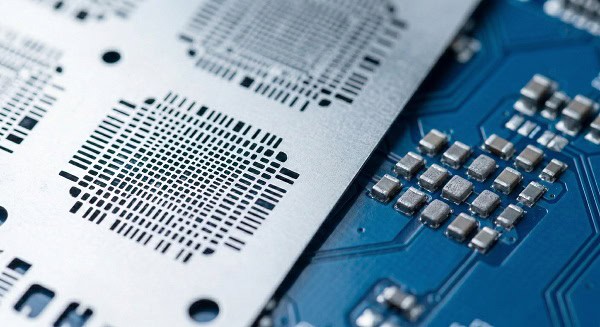
What does SMT mean in terms of initial setup is largely defined by the quality of the solder stencil. This laser-cut sheet determines exactly how much solder paste is deposited on each pad, which is the single biggest factor in preventing bridge defects.
Can a Poor Stencil Ruin Your Yield?
The short answer is yes. If the apertures are not designed correctly for the what does SMT mean workflow, you will face “shorts” or “insufficient solder” issues that require manual rework.
- Thickness: Determined by the smallest component pitch on the board.
- Material: Usually high-grade stainless steel for durability.
- Nano-coating: Helps the paste release cleanly from the apertures.
Think about this for a second.
| Stencil Type | Application | Accuracy |
| Laser Cut | Standard SMT | High |
| Electro-formed | Fine Pitch / BGA | Ultra-High |
Investing in a high-quality stencil during the NPI phase saves significant time and money during full-scale production. Key Takeaway: Stencil precision is the foundation of high-yield SMT assembly and defect prevention.
7. How Does Inspection Change the Answer to What Does SMT Mean?
When people ask what does SMT mean, they often forget about the intensive inspection required for such small parts. Because you cannot easily see a defect on a 0201 resistor with the naked eye, automated systems like AOI and X-ray are mandatory.
Why Is X-Ray Necessary for BGA Assembly?
For components like BGA, the solder balls are hidden beneath the chip. An X-ray is the only way to verify that the joints have formed correctly without destroying the board.
- AOI: Uses high-speed cameras to check for missing or skewed parts.
- SPI: Inspects the solder paste volume before parts are even placed.
- X-Ray: Penetrates components to find hidden bridge or voiding issues.
You’re probably wondering…
| Inspection Method | Target | Primary Benefit |
| AOI | Surface Defects | High Speed |
| X-Ray | Hidden Joints | Structural Integrity |
High-end inspection is not an optional luxury; it is a requirement for BGA assembly and high-reliability electronics. Key Takeaway: Automated inspection ensures that the speed of SMT does not come at the expense of quality.
8. What Does SMT Mean for Designing for Manufacturability (DFM)?
What does SMT mean for your layout is a strict adherence to DFM rules. If your pads are too close together or your thermal reliefs are missing, the SMT process will struggle to produce a consistent result.
How Do Fiducial Marks Help the Machine?
These small copper circles act as “GPS coordinates” for the pick-and-place machine. Without them, the robot cannot align its vision system to the board’s actual position.
- Fiducials: Essential for machine alignment and accuracy.
- Clearance: Space between parts to allow for the placement nozzle.
- Solder Mask: Preventing solder from flowing where it doesn’t belong.
This is where it gets interesting.
| DFM Rule | Impact | Result |
| Pad Symmetry | Prevents Tombstoning | Stable Components |
| Trace Width | Handles Current | Electrical Safety |
Applying DFM early in your what does SMT mean journey ensures that your design is optimized for the factory floor. Key Takeaway: DFM is the process of tailoring your design to the strengths and limitations of the SMT assembly line.
Not sure if your board layout passes all SMT DFM rules? Let our engineering team verify it for you—at zero cost.
9. How Do Environmental Factors Affect What Does SMT Mean?
The environment in which what does SMT mean is executed must be strictly controlled. Humidity and temperature can alter the viscosity of the solder paste, leading to defects if not managed correctly.
Why Is Moisture Sensitivity (MSL) a Concern?
Certain chips can absorb moisture from the air. If these are put through a reflow oven, the moisture turns to steam and cracks the package—a phenomenon known as “popcorning.”
- Climate Control: Constant temperature and humidity in the factory.
- Dry Storage: Components kept in vacuum-sealed bags with desiccant.
- Baking: Pre-heating components to remove moisture before assembly.
Does this seem complicated?
| Factor | SMT Risk | Solution |
| Humidity | Paste Slump | Dehumidification |
| Static (ESD) | Chip Damage | ESD-Safe Flooring/Wristbands |
A professional factory monitors these variables in real-time to protect your sensitive SMD components. Key Takeaway: Environmental control is a critical behind-the-scenes factor that ensures the reliability of SMT assemblies.
10. What Does SMT Mean for the Future of Electronic Design?
What does SMT mean for the future is even smaller, faster, and more integrated systems. We are moving toward “Embedded Technology” where SMT parts are actually placed inside the layers of the PCB to save even more space.
Will SMT Be Replaced by 3D Printing?
While 3D printing is growing for prototyping, SMT remains the king of mass production due to its incredible throughput and reliability.
- 01005 Parts: The next generation of ultra-miniature passives.
- Flex Circuits: SMT on flexible substrates for wearable tech.
- AI Integration: Machines that self-correct their placement based on real-time data.
The bottom line is this.
| Trend | Impact | Future Outlook |
| Miniaturization | 01005 Packages | Standardized |
| Flexibility | Rigid-Flex SMT | High Growth |
As technology evolves, the definition of what does SMT mean will continue to expand into new materials and thinner profiles. Key Takeaway: SMT continues to evolve, pushing the boundaries of how much power we can fit into the palm of our hand.
Conclusion
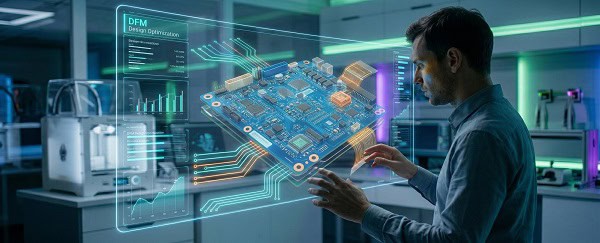
Navigating the complexities of PCB manufacturing can be daunting, but understanding the core principles of Surface Mount Technology gives you a competitive edge. We have explored the definition, the automated process, the critical nature of DFM, and the future trends that drive this industry. By choosing a partner that masters these details, you ensure that your product is not only innovative but also reliable and cost-effective. At QueenEMS, we specialize in turning these technical requirements into high-quality hardware. If you are ready to scale your production with a team that values precision and partnership, contact us today to discuss your next project. Our vision is to be the reliable bridge between your creative design and a global market success.
FAQ
Can I use SMT for high-power industrial applications? Absolutely. While SMT is famous for small devices, many high-power components are now available in surface-mount packages that handle significant heat and current.
What is the best way to avoid “tombstoning” in my design? The best way is to ensure that your pad sizes are perfectly symmetrical and that you use balanced thermal reliefs so the solder melts evenly on both sides of the component.
How do I know if my board should be SMT or Through-Hole? You should choose SMT for any design requiring high density or automated production, and only use Through-Hole for heavy components like large transformers or high-stress connectors.
Can I mix SMT and Through-Hole on the same board? Yes, this is called “Mixed Technology” and is very common. However, it usually adds a production step, so you should try to minimize THT parts where possible to save costs.
What’s the best material for an SMT stencil? Stainless steel is the industry standard because it provides the best balance of durability, cost, and aperture precision for fine-pitch components.