
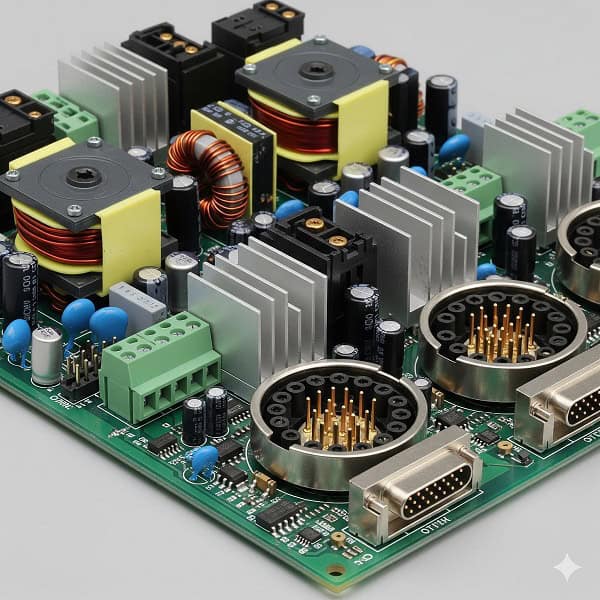
THT assembly is the critical process of mounting electronic components by inserting their leads into pre-drilled holes on a printed circuit board, serving as the backbone for high-reliability and high-power electronic systems today. Imagine your industrial machinery failing during peak production because a solder joint couldn’t handle the vibration. For many B2B manufacturers, over-relying on Surface Mount Technology (SMT) for heavy-duty applications leads to frequent field failures and skyrocketing warranty costs. Here’s the deal: while SMT is great for miniaturization, it often lacks the structural integrity required for harsh environments. By integrating professional THT assembly into your production cycle, you ensure your hardware withstands mechanical stress and thermal cycles that would shatter lesser boards. At Queen EMS, we have perfected this “old” tech to meet 21st-century standards, providing the robust foundation your high-end products deserve.
1. What makes THT assembly indispensable for high-reliability applications?
THT assembly remains the gold standard for high-reliability applications because it creates a physical bond where the component lead passes through the entire board, rather than just sitting on the surface. This mechanical “lock” ensures that the connection remains intact even under extreme physical conditions. You might be wondering why this matters in a world obsessed with smaller gadgets.
- Superior resistance to mechanical shock and frequent vibrations.
- Enhanced durability for connectors and heavy components.
- Long-term stability in aerospace and automotive sectors.
Key Takeaway: Choosing through-hole methods for critical joints prevents catastrophic mechanical failure in the field.
Is mechanical strength the primary benefit?
The bond created by through-hole pins acting as anchors allows the PCB to survive where SMT components would simply pop off. This is particularly vital for interfaces that humans or machines interact with physically. Believe it or not, the longevity of industrial controls often hinges on these deep-rooted connections.
- Ideal for high-stress interfaces like power switches.
- Prevents pad lifting during heavy cable plug-ins.
| Feature | THT Strength | SMT Strength |
| Mechanical Anchor | Deep Through-Hole | Surface Adhesion |
| Vibration Resistance | Excellent | Moderate to Low |
| Best Use Case | Heavy Industrial | Consumer Mobile |
The data proves that for structural longevity, the physical lead presence in THT is unmatched by surface-level soldering.
2. Why does THT assembly excel in power electronics?
THT assembly excels in power electronics because the thick leads and large solder fillets can carry significantly higher current loads without overheating. When you are dealing with transformers or high-capacity capacitors, the surface area provided by a through-hole connection is a thermal necessity. Wait, there’s more.
- Efficient handling of high voltage and high current.
- Lower electrical resistance compared to tiny SMT pads.
- Improved safety margins for power distribution units.
Key Takeaway: For any B2B product handling significant wattage, through-hole is the safest bet for electrical integrity.
Can it handle extreme heat dissipation?
The large metal leads of THT components act as mini heat sinks, drawing warmth away from sensitive internal circuits. This natural thermal management reduces the need for bulky external cooling in some designs. This is where it gets interesting for engineers looking to optimize board space and cooling budgets.
- Better heat transfer through the board layers.
- Reduces thermal stress on the solder alloy itself.
| Parameter | THT Power Capability | SMT Power Capability |
| Max Current | High (50A+) | Limited (typically <10A) |
| Thermal Path | Direct through lead | Through thermal vias |
The robust nature of these connections ensures that power surges don’t result in melted traces or disconnected components.
3. How does THT assembly improve harsh environment durability?
THT assembly improves durability by ensuring that the component is physically inseparable from the PCB structure during rapid temperature fluctuations. In environments like oil rigs or desert solar farms, the expansion and contraction of materials can snap surface bonds. But here’s the kicker: through-hole leads have the flexibility to absorb that stress.
- Resists “cracking” during extreme thermal cycling.
- Provides better protection against moisture ingress in the hole.
- Maintains connectivity in high-humidity industrial zones.
Key Takeaway: Using through-hole components in outdoor or volatile settings drastically reduces your maintenance overhead.
Is it better for military-grade hardware?
Military and defense contracts often mandate THT for specific modules because of its proven track record in the field. We often see these requirements in high-reliability PCBA projects where failure is not an option. What’s the real story? It’s about the peace of mind that comes from a 50-year-old proven standard.
- Compliance with rigorous aerospace vibration standards.
- Reliability in sub-zero and high-heat deployments.
| Environment Factor | THT Performance | SMT Performance |
| Thermal Cycling | Exceptional | Prone to Fatigue |
| Humidity Resistance | High | Moderate |
Ensuring that your hardware can survive a “worst-case” scenario starts with the physical mounting method chosen.
4. When should you use mixed technology PCB assembly?
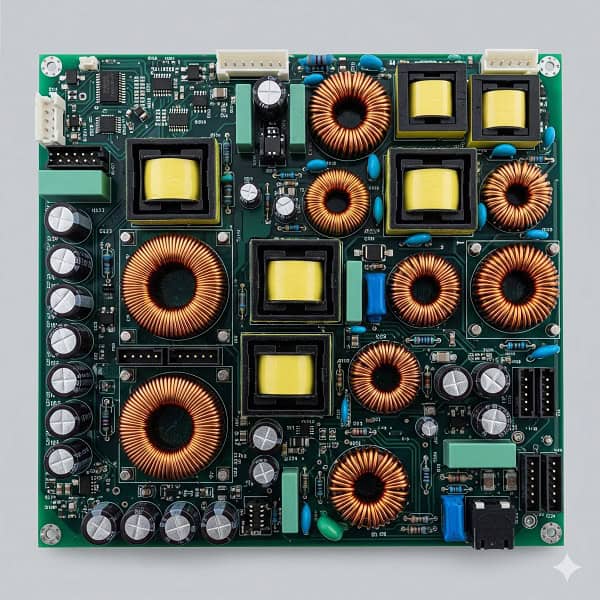
THT assembly is frequently used alongside SMT in what we call “mixed technology” boards to get the best of both worlds. You can use SMT for the logic and high-speed processing while reserving THT for the connectors and power stages. Let’s face it, a modern complex machine usually requires both precision and power.
- Combines SMT density with THT’s physical strength.
- Optimizes the production cost by using automated SMT.
- Enhances the lifecycle of user-facing components.
Key Takeaway: A hybrid approach allows B2B companies to innovate without sacrificing the “toughness” of their hardware.
How do we manage the assembly complexity?
Managing a mixed line requires specialized equipment like wave soldering machines or selective soldering robots. Professional PCBA services ensure that the heat from the THT process doesn’t damage the pre-placed SMT parts. The secret sauce lies in the sequencing of the oven and the wave.
- Sophisticated thermal profiling for both sides.
- Selective soldering for precision THT placement.
| Assembly Type | Process Difficulty | Cost Impact |
| SMT Only | Low | Cost-Effective |
| Mixed Tech | Medium-High | Balanced Value |
The integration of both technologies represents the peak of modern electronic manufacturing flexibility.
5. Why is manual inspection easier with THT assembly?
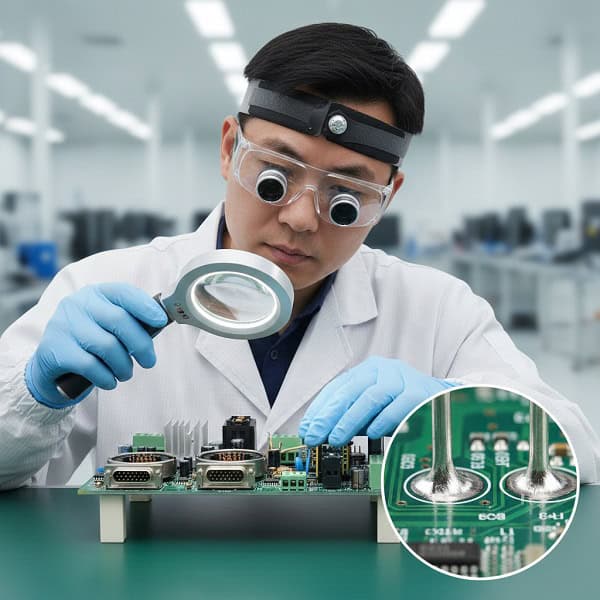
THT assembly allows for a much more straightforward visual inspection process because the solder joints are larger and visible to the naked eye. In a B2B setting, being able to quickly verify the integrity of a joint during a site visit or repair is invaluable. You might be wondering if this slows down production.
- Clear visual confirmation of a “perfect” solder fillet.
- Easier identification of cold solder joints or voids.
- Simplified X-ray inspection for multi-layered boards.
Key Takeaway: Better visibility leads to higher quality control and fewer hidden defects in your final product.
Does it simplify the repair process?
Technicians can desolder and replace THT components with basic tools, making field repairs a reality for large industrial systems. This avoids the need for expensive rework stations required for BGA or tiny SMT parts. Here is the deal: if a component fails in a remote location, you want it to be fixable.
- Lower cost of field maintenance and component swap.
- Reduces the risk of damaging the board during rework.
| Inspection Method | THT Ease | SMT Ease |
| Visual (Naked Eye) | Very Easy | Difficult |
| Manual Rework | Simple | Complex |
Simplifying the human element of quality control ensures a more consistent output for high-stakes electronic contracts.
6. How does wave soldering optimize THT assembly?
THT assembly becomes highly efficient through wave soldering, a process where the board passes over a literal wave of molten solder. This allows for hundreds of joints to be completed in a matter of seconds, bridging the gap between manual labor and automation. Ready for the good part? This process is incredibly stable once dialed in.
- Rapid throughput for high-volume through-hole boards.
- Consistent solder application across the entire bottom side.
- Reduced labor costs compared to hand soldering.
Key Takeaway: Automation through wave soldering makes THT a viable and competitive option for mass production.
What about selective soldering?
For boards that have SMT components on both sides, selective soldering targets only the THT pins without melting everything else. This precision ensures that mixed technology boards maintain their integrity. It’s a game changer for complex, high-density industrial designs.
- Targeted heat application for sensitive boards.
- High repeatability and precision for tight spaces.
| Soldering Method | Volume Capacity | Precision |
| Wave Soldering | Very High | Broad |
| Selective | Medium | Very High |
Utilizing the right soldering technology ensures that your THT parts are as reliable as they are robust.
[Image showing a wave soldering machine with a green PCB passing over the molten solder wave, photorealism style]
7. Is THT assembly still cost-effective?
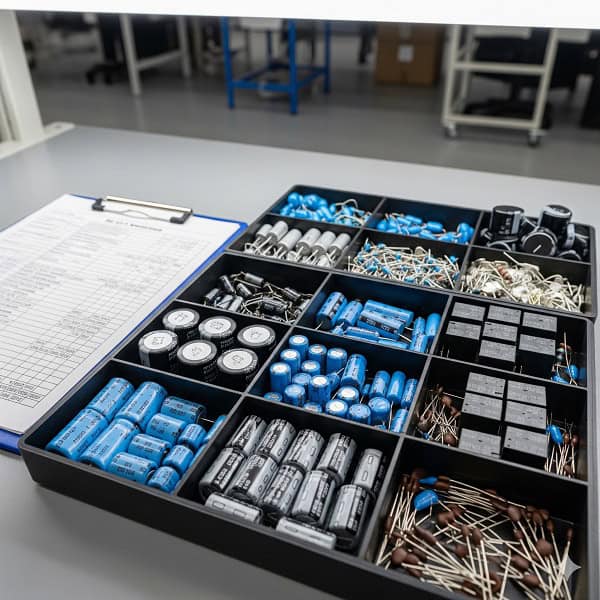
THT assembly remains cost-effective for specific project types, particularly those with low volume and high complexity or very high power requirements. While SMT is cheaper for tiny consumer goods, the upfront tooling and setup for SMT can be overkill for specialized industrial runs. Think about it: sometimes the “old” way is the leaner way.
- Lower setup costs for small prototype batches.
- Eliminates the need for expensive stencils in some cases.
- Reduces the cost of components that require high physical durability.
Key Takeaway: Don’t assume SMT is always cheaper; evaluate the total lifecycle and setup costs of your B2B product.
How do component costs compare?
While some THT parts are becoming “legacy” and slightly pricier, the lack of failure-related costs often offsets the unit price. For heavy-duty connectors, THT is often the standard and most affordable option. What’s the catch? You just need a partner who knows how to source these parts efficiently.
- Wide availability for power-rated components.
- Simplified PCB design with fewer micro-vias.
| Expense Category | THT | SMT |
| Setup/Tooling | Low | Moderate-High |
| Component Price | Moderate | Low (Mass Market) |
By looking at the “big picture” of manufacturing, THT often emerges as the most sensible financial choice for specialized hardware.
8. Can THT assembly support modern high-speed designs?
THT assembly can indeed support modern designs, though it requires careful engineering to manage the parasitic inductance caused by longer leads. While not ideal for 5G signal processing, it is perfectly suitable for the control layers of high-speed systems. This is where it gets interesting: the lead itself can be tuned by an expert engineer.
- Proper lead trimming reduces signal interference.
- THT provides a stable ground path for high-current loops.
- Compatible with multi-layer high-density interconnects.
Key Takeaway: With the right engineering, you can enjoy THT’s strength without compromising on signal performance.
Is signal integrity a concern?
In the kHz to low MHz range, the difference in signal integrity between THT and SMT is negligible for most industrial applications. Only when reaching GHz speeds do the “stubs” of through-hole leads become a significant issue. Believe it or not, most industrial IoT sensors work perfectly with THT.
- Excellent for analog sensor interfaces.
- Reliable for rugged communication ports like RS-485.
| Speed Category | THT Suitability | SMT Suitability |
| Low (Power/Control) | Perfect | Overkill |
| High (RF/Data) | Limited | Essential |
Choosing the right technology for the right part of your circuit is the hallmark of a professional B2B design.
9. Why is THT assembly the choice for prototyping?
THT assembly is the undisputed king of the prototyping phase because it allows for easy “breadboarding” and manual changes. When you are in the R&D stage, you need the flexibility to swap a resistor or move a wire without a microscope. You might be wondering how this accelerates your time-to-market.
- Fast manual assembly for proof-of-concept.
- Easy to modify circuit values on the fly.
- Lower risk of damaging the prototype during testing.
Key Takeaway: Starting with THT allows your engineers to iterate faster and reach a final design with fewer headaches.
Does it help in the validation stage?
Through-hole prototypes are much easier to probe with multimeters and scopes, making the validation of your logic much simpler. This transparency in the design leads to fewer “hidden” bugs when moving to mass production. The bottom line is that THT is the engineer’s best friend during the “fail fast” phase.
- Visible test points at every component lead.
- Simplified debugging of power and signal paths.
| Prototyping Factor | THT | SMT |
| Modification Speed | High | Low |
| Visual Debugging | Easy | Hard |
Investing in a through-hole prototype can save weeks of troubleshooting down the line.
10. How to choose the right THT assembly partner?
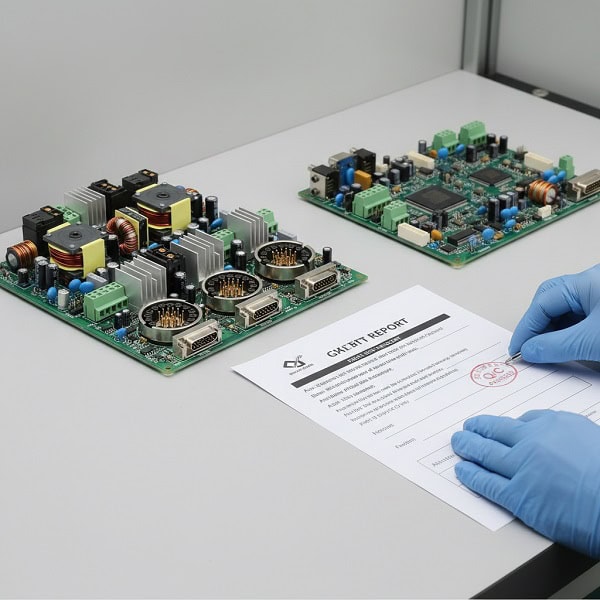
Choosing a partner for THT assembly requires looking beyond just the price; you need a factory that understands the nuances of solder wetting and hole-fill requirements. A professional partner should offer both automated wave soldering and expert hand-soldering for delicate work. Here is the deal: your product’s reputation depends on the quality of these hidden joints.
- Look for IPC-A-610 compliance in all solder work.
- Ensure they have selective soldering capabilities for mixed boards.
- Verify their experience with high-power and industrial sectors.
Key Takeaway: The right partner acts as an extension of your engineering team, ensuring every through-hole joint is a pillar of strength.
What should you ask your manufacturer?
Ask about their lead-forming equipment and their process for ensuring 100% hole fill on thick, multi-layer boards. At Queen EMS, we pride ourselves on transparency and technical excellence. Ready for the good part? We offer a full suite of PCBA services tailored for B2B success.
- Inquire about their visual and AOI inspection standards.
- Check their track record with harsh-environment electronics.
| Selection Criteria | Importance | Why? |
| IPC Certification | Mandatory | Guarantees Quality |
| Equipment | High | Ensures Consistency |
| Industry Experience | Critical | Contextual Knowledge |
Finding a manufacturer that treats THT as a precision craft rather than an outdated chore is the key to your success.
Conclusion
In summary, we have explored how THT assembly provides the mechanical strength, thermal management, and long-term reliability that modern SMT often cannot match. While the industry pushes for smaller and faster, the “old” tech of through-hole remains the essential foundation for power electronics, industrial machinery, and harsh-environment hardware. You should know that the best hardware isn’t always the smallest; it’s the one that never fails. If you are looking to elevate your product’s durability and reduce field returns, it is time to reconsider the strategic use of through-hole technology. Don’t let your next project be a victim of fragile surface bonds. Contact us today to discuss how our expert engineers can optimize your next high-reliability PCBA run. Our vision is to empower B2B innovators with hardware that stands the test of time and stress.
FAQ
Q1: Can I use THT assembly for high-speed data boards?
Yes, but with limitations. While THT is great for power and connectors, its physical leads can create signal interference at very high frequencies, so it is best used for the non-data portions of your board.
Q2: What’s the best way to reduce costs in through-hole production?
The most effective way is to design for wave soldering. By aligning your THT components in a single direction and ensuring proper spacing, you allow for high-speed automation that slashes manual labor costs.
Q3: How do I know if my project needs THT instead of SMT?
If your product will face heavy vibration, extreme heat, or requires high-current throughput, THT is usually the better choice. We recommend a hybrid approach for complex industrial gadgets.
Q4: Can THT assembly be automated for large volumes?
Absolutely. Using wave soldering and selective soldering machines, we can produce thousands of through-hole boards with high consistency and speed, making it very competitive for B2B scaling.
Q5: Is it harder to find THT components today?
Not necessarily. While some tiny consumer chips are SMT-only, power components, connectors, and industrial-grade parts are still widely available in through-hole packages due to their enduring demand.