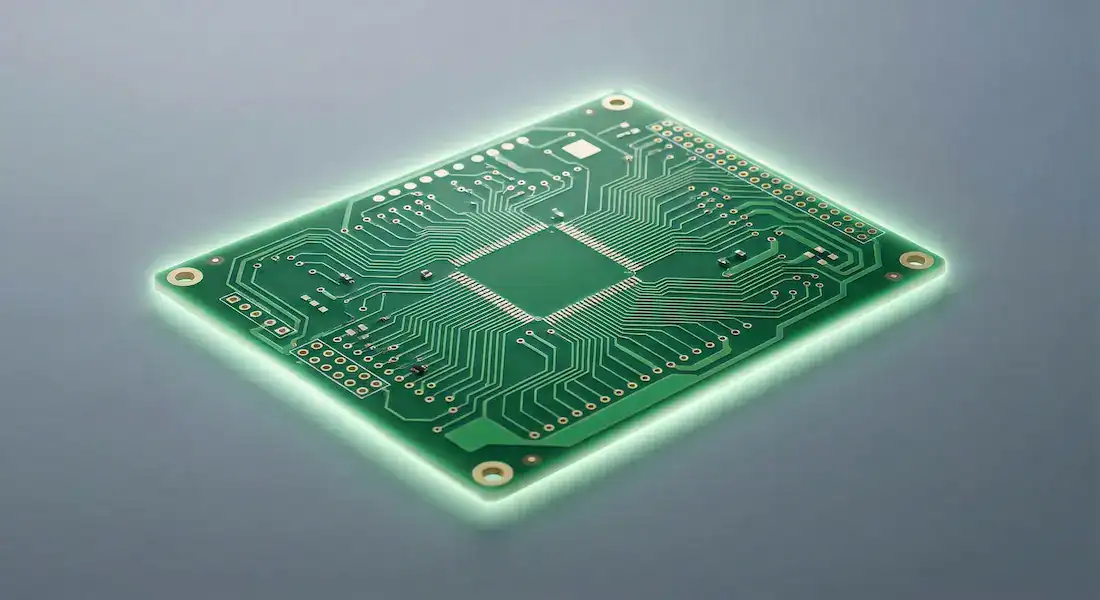
Finding your high-performance electronic equipment suddenly failing due to thermal runaway is a nightmare for any procurement manager. It is truly devastating to see a multi-million dollar industrial project halted because a standard substrate couldn’t handle the heat. Here’s the deal: utilizing a 94v-0 circuit board provides the ultimate insurance policy against combustion and catastrophic failure. At Queenems, we combine a decade of engineering prowess with over 100 advanced machines to ensure your hardware remains safe under the most grueling conditions.
1. What exactly defines a 94v-0 circuit board in professional electronics?
A 94v-0 circuit board represents the highest tier of fire safety for plastic materials used in electronic assemblies. This specific rating mandates that a vertical specimen must stop burning within 10 seconds of removing a controlled flame. What’s the real story? Understanding this certification is the primary step in ensuring your B2B products meet the stringent fire codes of the global market.
Does the board ever catch fire?
The material is designed to be flame-retardant rather than completely immune to all thermal energy. While extreme heat might char the resin, the 94v-0 circuit board prevents the fire from spreading to neighboring components. You might be wondering if this is a standard feature, but many cheaper alternatives fail this test, leading to disastrous consequences for the end-user.
- Self-extinguishing occurs in less than ten seconds.
- No flaming drips are permitted to fall from the specimen.
- The material maintains its physical shape during the burn test.
Why is vertical testing used?
Vertical testing simulates the most dangerous fire scenario where heat rises and accelerates the combustion process. By passing this test, the manufacturer proves that their substrate can handle convection currents that would typically fuel a larger blaze. Think about it: a board that can stop a vertical flame is significantly safer than one tested horizontally in a flat environment.
- Vertical orientation allows heat to pre-heat the material above.
- Success indicates a high concentration of flame-retardant additives.
- This test is more rigorous than the HB or V-2 standards.
Key Takeaway: Choosing V-0 ensures that your PCB acts as a firewall rather than a fuel source for internal electrical fires.
Summary of V-0 Compliance Data
| Criteria | Requirement |
| Max Flaming Time | 10 Seconds |
| Total Flaming Time (5 samples) | 50 Seconds |
| Flaming Drips | Strictly Prohibited |
| Total Afterglow Time | 30 Seconds |
This table highlights the rigid metrics that separate professional-grade boards from consumer-level alternatives.
2. How does the UL 94 rating system impact 94v-0 circuit board testing?
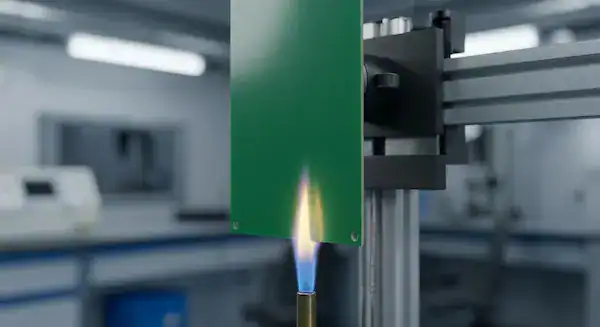
The UL 94 rating system serves as the global language for safety when discussing a 94v-0 circuit board and its fire resistance. It categorizes materials into different tiers based on how quickly they stop burning and whether they drip molten plastic. Ready for the good part? Knowing the nuances of these tiers allows you to negotiate better terms with your suppliers and ensure your design is truly robust.
What are the tiers?
The ratings go from HB (Horizontal Burn) to V-2, V-1, and finally the gold standard, V-0. V-0 is the most sought-after for industrial B2B applications where reliability is the core selling point of the machine. Believe it or not, even a small upgrade from V-1 to V-0 can drastically reduce the insurance premiums for the final product installation.
- HB is for low-risk, consumer applications.
- V-2 allows drips but stops the flame eventually.
- V-0 is the standard for high-voltage and high-heat environments.
How is the test timed?
Technicians apply a flame twice to the sample and record the duration of the visible flame each time. If the total flaming time exceeds fifty seconds across five separate samples, the material fails the V-0 certification immediately. The best part? Most high-quality FR4 materials at Queenems exceed these requirements, offering an extra margin of safety for your mission-critical designs.
- First flame application lasts exactly ten seconds.
- Second flame application occurs immediately after the first flame goes out.
- Every second counts when determining the final safety classification.
Key Takeaway: Mastering the UL rating tiers ensures that your procurement strategy aligns perfectly with international safety mandates.
Rating Tier Comparison
| Rating Level | Max Burn (s) | Drips? | Risk Level |
| V-0 | 10 | No | Very Low |
| V-1 | 30 | No | Moderate |
| V-2 | 30 | Yes | High |
Understanding these levels prevents you from over-paying for safety you don’t need or under-protecting your project.
3. Why is 94v-0 circuit board material the industry standard for B2B?
In the professional B2B sector, the 94v-0 circuit board is not just a preference but a mandatory requirement for high-end equipment. Industrial clients demand hardware that can run 24/7 in harsh environments without the risk of a spontaneous fire. It gets better: using certified V-0 boards often simplifies the entire certification process for the finished machine, saving months of laboratory testing time.
Is safety profitable?
Investing in V-0 materials prevents expensive recalls that can bankrupt a growing engineering firm. A single fire incident in the field can damage your brand reputation beyond repair, costing far more than the slight premium of V-0 resin. Think about it: the piece of mind you gain by using fire-safe boards is worth every cent of the initial manufacturing cost.
- Reduces liability in the event of an electrical failure.
- Enhances the value of your product to safety-conscious buyers.
- Minimizes the risk of property damage during high-load operations.
Does it affect durability?
The chemical additives used to achieve the V-0 rating often increase the overall thermal stability of the substrate. This means your board is less likely to warp or delaminate when subjected to the high temperatures of lead-free soldering. What’s the real story? Our clients often report longer operational lifespans when they switch to our premium 94V-0 FR4 materials compared to standard alternatives.
- Better dimensional stability during thermal cycling.
- Increased resistance to moisture absorption in humid factories.
- Superior adhesion of copper traces under high current loads.
Key Takeaway: Standardizing on V-0 boards is a strategic move that protects both your physical assets and your professional reputation.
B2B Sourcing Advantages
| Factor | Standard Board | 94V-0 Board |
| Compliance | Local only | Global |
| Durability | Average | High |
| Trust Level | Low | Professional |
This comparison shows why industrial giants always specify V-0 in their procurement contracts.
4. What are the chemical properties of a 94v-0 circuit board substrate?
The chemical composition of a 94v-0 circuit board relies heavily on high-quality epoxy resins and brominated flame retardants. These chemicals act by releasing bromine radicals when heated, which interrupts the chemical chain reaction of the fire. Ready for the good part? Modern chemistry has made these flame retardants more efficient and less toxic than the versions used a decade ago.
What is FR4?
FR4 is the most common material name, standing for “Flame Retardant 4,” which inherently targets the V-0 certification. It consists of a woven fiberglass cloth impregnated with a specialized resin that resists carbonization under heat. You might be wondering if there are halogen-free options available, and the answer is yes, we offer green alternatives for eco-conscious markets.
- Fiberglass provides the mechanical strength and rigidity.
- Epoxy resin binds the layers and provides electrical insulation.
- Flame retardants are integrated directly into the resin matrix.
How does it handle heat?
The Glass Transition Temperature (Tg) of a V-0 board is usually higher than that of a standard board. This allows the material to transition from a hard, glassy state to a rubbery state at a much higher threshold. This is where it gets interesting: choosing a High-Tg V-0 board can provide even greater stability for multi-layer designs with high component density.
- High-Tg boards handle reflow soldering with less stress.
- Thermal expansion is minimized in all three axes (X, Y, Z).
- Better electrical insulation at elevated operating temperatures.
Key Takeaway: Understanding the chemistry of your substrate allows you to select the best material for your specific thermal and environmental challenges.
Substrate Property Benchmarks
| Property | Standard FR4 | High-Tg V-0 |
| Tg Point | 130°C | 175°C+ |
| Flame Rating | V-1/HB | V-0 |
| Moisture Absorption | 0.20% | 0.10% |
Choosing the right material ensures your PCB survives the stresses of both assembly and long-term field use.
5. How does a 94v-0 circuit board perform under extreme heat stress?
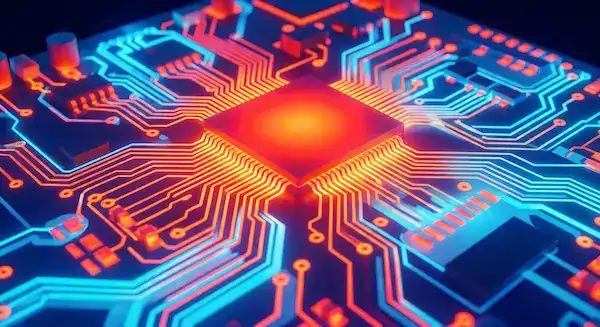
Performance under pressure is the hallmark of a 94v-0 circuit board in any professional application. When a board is subjected to extreme heat, the internal stresses can cause warping, which leads to cracked solder joints and intermittent failures. What’s the real story? A V-0 rated substrate maintains its structural integrity longer, preventing these mechanical failures before they can start.
Does it warp easily?
The high-quality fiberglass used in V-0 boards is specifically chosen for its low Coefficient of Thermal Expansion (CTE). This ensures that as the board heats up, it expands at a rate similar to the copper traces, reducing internal mechanical stress. Believe it or not, this synergy between materials is what allows modern electronics to be so compact yet so powerful and reliable.
- Low Z-axis expansion prevents vias from cracking.
- Stable X-Y expansion keeps components perfectly aligned.
- Resists “bow and twist” even in large, thin PCB panels.
How does it resist arcing?
The resin system in a V-0 board is engineered to have a high Comparative Tracking Index (CTI). This means it is less likely to form a conductive carbon track on the surface when exposed to high voltages and contaminants. Ready for the good part? This property is critical for power supply designs where high-voltage components are placed in close proximity to one another.
- High CTI prevents short circuits in humid or dusty environments.
- The resin does not easily carbonize when a spark occurs.
- Long-term electrical insulation remains consistent over years of use.
Key Takeaway: Exceptional thermal stability is the secret ingredient that makes V-0 boards the backbone of reliable high-power electronics.
Thermal Stress Performance
| Test Type | Duration | V-0 Result |
| Thermal Shock | 100 Cycles | No Cracking |
| Solder Float | 10 Seconds | No Delamination |
| Constant Heat | 1000 Hours | Stable Impedance |
These tests prove that V-0 boards are built to withstand the harshest industrial operating conditions.
6. What are the main differences between V-0 and V-1 94v-0 circuit board?
While both V-0 and V-1 ratings are part of the vertical burn test, the performance gap between a 94v-0 circuit board and a V-1 board is significant. A V-0 board must stop flaming three times faster than a V-1 board, offering a much tighter window for self-extinguishment. Here is the deal: in a high-stakes B2B environment, those extra 20 seconds of burning in a V-1 board can be the difference between a minor localized fault and a full-blown facility fire.
Which one is safer?
V-0 is undeniably safer because it drastically limits the total amount of heat energy released during a component failure. If a capacitor explodes, the V-0 board will snuff out the flame before it can ignite the plastic housing or nearby wiring. Think about it: the faster the flame stops, the less smoke and toxic fumes are released into the surrounding air, protecting both equipment and personnel.
- V-0 max flame time: 10 seconds.
- V-1 max flame time: 30 seconds.
- V-0 offers superior protection for high-density server racks.
Are there price differences?
There is usually a minor price increase for V-0 materials due to the higher concentration of flame-retardant additives required. However, for most B2B buyers, this cost is easily offset by the reduced risk of catastrophic liability and product failure. You might be wondering if V-1 is ever acceptable, and while it is, we always recommend V-0 for any board carrying more than a few amps of current.
- V-0 resin is more specialized and strictly audited.
- The supply chain for V-0 is more robust due to high demand.
- Investing in the better rating now prevents expensive redesigns later.
Key Takeaway: The V-0 rating provides a 300% improvement in flame-out speed compared to V-1, making it the only logical choice for high-reliability systems.
Flame Speed Comparison
| Rating | Self-Extinguish | Total Time (5) | Drips Allowed? |
| UL 94V-0 | < 10s | < 50s | No |
| UL 94V-1 | < 30s | < 250s | No |
The data shows that V-0 is significantly more aggressive in stopping fire than its V-1 counterpart.
[Image comparing two PCB strips: one stopping a flame instantly (V-0) and one burning slowly (V-1), professional style]
7. In which industries is a 94v-0 circuit board strictly mandatory?
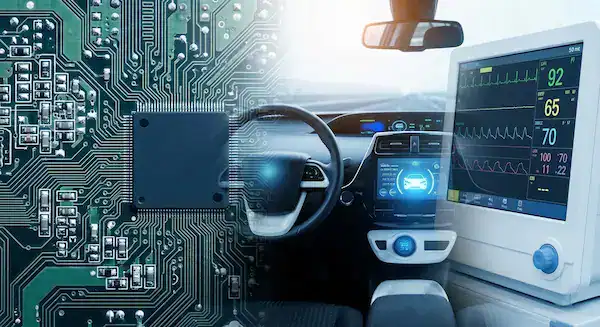
For many sectors, using a 94v-0 circuit board is not a choice but a legal requirement governed by international safety standards. In the medical, automotive, and aerospace industries, the failure of a single PCB can result in the loss of human life. What’s the real story? These industries have zero tolerance for fire risk, making the V-0 rating the entry ticket for any supplier wishing to participate.
What about the medical field?
Medical devices must comply with the IEC 60601-1 standard, which often necessitates the use of UL 94V-0 rated components. A fire in a hospital environment, especially near oxygen tanks or sensitive patients, is a scenario that must be avoided at all costs. Ready for the good part? Queenems has extensive experience producing boards for the medical sector, ensuring every piece meets these life-saving requirements.
- Used in MRI machines, CT scanners, and heart monitors.
- Critical for portable diagnostic equipment used in the field.
- Ensures patient safety during long-term monitoring sessions.
Are they used in Electric Vehicles?
The EV revolution has created a massive demand for V-0 boards that can handle high-voltage battery management systems. With currents exceeding hundreds of amps, any short circuit has the potential to start a thermal runaway event in the battery pack. This is where it gets interesting: using V-0 boards in EVs is a primary safety feature that prevents minor electrical glitches from turning into vehicle-swallowing fires.
- Mandatory for battery management systems (BMS).
- Used in high-speed charging stations and on-board chargers.
- Provides the necessary heat resistance for engine control units.
Key Takeaway: If your target market involves high stakes like human health or expensive infrastructure, V-0 certification is your most important asset.
Industry-Specific Requirements
| Industry | Primary Standard | Mandatory Rating |
| Automotive | IATF 16949 | UL 94V-0 |
| Medical | ISO 13485 | UL 94V-0 |
| Aerospace | AS9100 | UL 94V-0 |
| Energy | IEC 61850 | UL 94V-0 |
Meeting these standards is the first step toward winning high-value contracts in regulated industries.
8. How can you verify the authenticity of a 94v-0 circuit board?
In a global market, it is vital to verify that your 94v-0 circuit board is actually certified and not just labeled with a fake logo. True V-0 boards will carry the UL Recognized Component mark along with a unique manufacturer’s file number. Think about it: a fake certificate is useless when the fire marshal shows up at your factory or when an insurance claim is filed after a fire.
Where is the UL mark?
The UL mark, often a backwards “UR” symbol, should be permanently etched into the copper layer or printed on the silkscreen. Along with this mark, you should find a code starting with “E” followed by six digits, which is the factory’s unique ID. It gets better: you can enter this number directly into the UL Prospector website to see exactly what materials that factory is authorized to use.
- Always look for the UR logo and the E-number together.
- Cross-reference the factory name with the UL database entry.
- Check the minimum thickness listed on the UL “Yellow Card.”
What is the “Yellow Card”?
The Yellow Card is the official UL document that lists the performance characteristics of the specific material used by the factory. It will detail the flammability rating for different board thicknesses and the maximum operating temperature allowed. Ready for the good part? Queenems provides all necessary UL documentation and Yellow Cards with every shipment, ensuring your audit trail is 100% complete.
- Provides proof of material properties for your end-customers.
- Lists the Comparative Tracking Index (CTI) for the board.
- Essential for passing ISO audits and regulatory inspections.
Key Takeaway: Verification is the final step in a responsible procurement process that protects your company from fraud and liability.
Verification Checklist
| Checkpoint | Action | Required Result |
| UR Logo | Visual Scan | Present on PCB |
| File Number | UL Search | Matches Factory |
| Thickness | Measurement | Within UL Limit |
| Batch Code | Document Link | Traceable to Factory |
Ensuring these four points are met guarantees that your boards are safe and compliant.
9. What are the design considerations for a 94v-0 circuit board layout?
Designing for a 94v-0 circuit board requires more than just picking the right material; it involves smart layout choices to minimize heat build-up. High-current traces should be wider, and thermal vias should be used to move heat away from sensitive components. It gets better: a well-designed board not only passes fire tests but also runs cooler, which naturally extends the life of all integrated circuits.
How to manage thermal zones?
Keep high-heat components like power MOSFETs and processors away from the edges of the board where airflow might be restricted. Use large copper pours to act as heat sinks and distribute thermal energy across the entire V-0 substrate. The best part? Because V-0 boards have better thermal stability, you can push your designs a bit further without worrying about the board deforming or burning.
- Group heat-generating components together for efficient cooling.
- Use multiple thermal vias to connect different layers for heat sinking.
- Avoid placing sensitive analog components near high-heat areas.
Does thickness matter?
The V-0 rating is thickness-dependent, meaning a material might be V-0 at 1.6mm but only V-1 at 0.8mm. When designing thin boards for mobile or compact devices, you must ensure your material supplier has a V-0 certification for that specific thinness. Think about it: if you design a super-thin board using standard material, you might inadvertently lose your safety rating and fail your final product certification.
- Always specify the required UL rating for your specific thickness.
- Thinner boards require higher concentrations of flame retardants.
- Queenems offers V-0 certification down to ultra-thin 0.4mm substrates.
Key Takeaway: Professional design combined with V-0 materials creates a synergy that maximizes both safety and operational performance.
Design Optimization Rules
| Rule | Action | Benefit |
| Trace Width | Increase for high current | Lower heat generation |
| Thermal Vias | Place under hot parts | Faster heat dissipation |
| Edge Clearance | Keep 2mm+ from edge | Better airflow/safety |
| Layer Count | Optimize stack-up | Better thermal spread |
Following these guidelines ensures your V-0 board performs as well as it protects.
10. Why is Queenems the best choice for your 94v-0 circuit board needs?
When you choose Queenems for your 94v-0 circuit board production, you are partnering with a factory that understands the urgency of B2B manufacturing. We don’t just provide boards; we provide a complete engineering ecosystem designed to get your product to market faster and safer. Here is the deal: with our 2-hour quotation service and tracking capabilities, you are always in control of your supply chain, no matter where you are in the world.
Do we offer engineering support?
Every order at Queenems undergoes a rigorous DFM (Design for Manufacturability) check by our senior engineers. We catch potential fire hazards or manufacturing errors before they ever reach the production floor, saving you time and money. Believe it or not, our engineering feedback has helped hundreds of clients optimize their designs for better heat management and lower production costs.
- Direct communication with the engineers who build your boards.
- Expert advice on material selection and stack-up optimization.
- Proactive identification of design flaws that could affect UL compliance.
How do we handle urgent orders?
We understand that sometimes a project is behind schedule and every day counts. Our factory is equipped to handle urgent PCB production without sacrificing the strict quality controls required for V-0 certification. What’s the real story? We have a dedicated team for fast-turnaround orders, ensuring that your mission-critical project stays on track even when deadlines are tight.
- Quotations delivered within 2 hours of receiving your Gerber files.
- Accelerated production timelines for prototypes and small batches.
- Reliable global shipping with full tracking and customs support.
Key Takeaway: Queenems provides the perfect balance of Chinese manufacturing efficiency and international-level engineering support for all your fire-safe PCB needs.
Queenems Partnership Benefits
| Feature | Queenems Service | Your Value |
| Response Time | 2 Hours | Faster Decision Making |
| Machine Quality | 100+ High-end Units | Consistent Yield |
| Expertise | Professional Engineers | Reduced Design Risk |
| Service | Online Tracking | Total Peace of Mind |
Partnering with us means your project is backed by a team that cares as much about safety as you do.
Conclusion
Navigating the world of UL 94V-0 circuit boards is a critical task for any professional B2B buyer or engineer. We have explored the rigorous testing standards, the vital chemistry of the substrates, and the industries where these boards are absolutely non-negotiable for safety. By standardizing on V-0, you aren’t just meeting a regulation; you are building a foundation of trust and reliability for your brand. What’s the real story? At Queenems, we are dedicated to providing the high-quality, certified solutions that your advanced projects demand. We understand the pain of project delays and the fear of technical failure, which is why we offer the fastest quotations and the most reliable engineering support in the industry. Our vision is to empower global innovators with the safest electronic components possible. If you are ready to elevate your product safety and streamline your procurement, contact us today and let’s build something extraordinary together.
FAQ
Q1: Can I get a 94v-0 circuit board in different colors like blue or black? Yes, you certainly can. The V-0 rating applies to the substrate and the resin, not the color of the solder mask, so you can choose any color that fits your brand while maintaining full UL certification.
Q2: How do I know if my supplier is providing genuine 94v-0 circuit board materials? Always ask for the UL Yellow Card and the factory’s E-file number. You can verify these details online on the UL database to ensure the materials and the factory meet the required safety standards for your board thickness.
Q3: Is a 94v-0 circuit board more expensive than a standard one? Typically, there is a small premium of 5-10% due to the higher quality of fire-retardant resins. However, this cost is minimal compared to the potential loss from a fire or a failed safety audit.
Q4: What’s the best substrate for a 94v-0 circuit board in high-voltage use? High-Tg FR4 or Ceramic substrates are the best choices because they offer superior thermal stability and higher resistance to electrical arcing. These materials ensure your board remains safe even under constant electrical stress.
Q5: How can Queenems help if my 94v-0 circuit board design fails a safety check? Our engineers will perform a full DFM review to identify heat spots or clearance issues. We can then suggest layout changes or material upgrades to ensure your board passes its final certification with flying colors.